Home
>
Products > Coconut Shell Activated Carbon > Industrial Grade Coconut Shell Activated Carbon > Power Plant Water Treatment Coconut Shell Carbon
Power Plant Water Treatment Coconut Shell Carbon
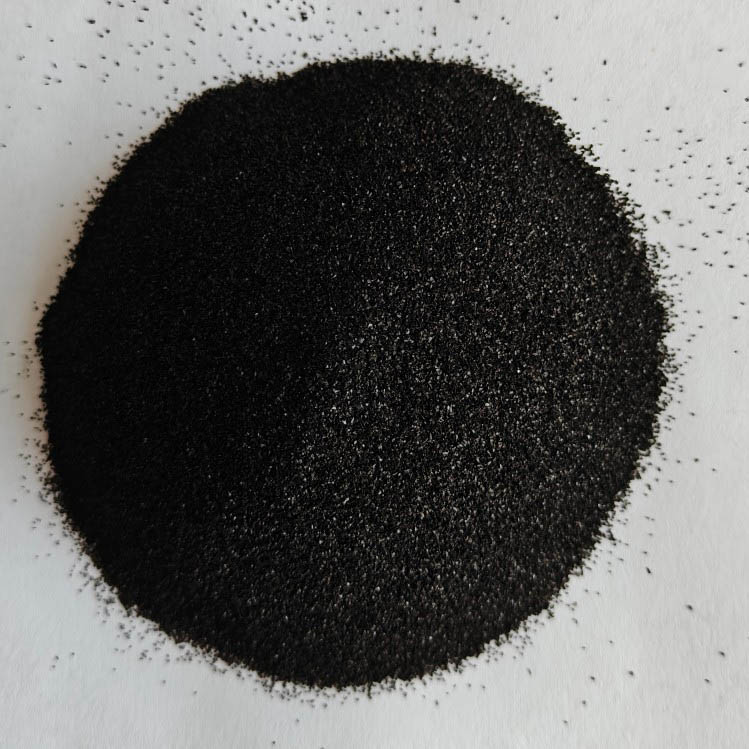
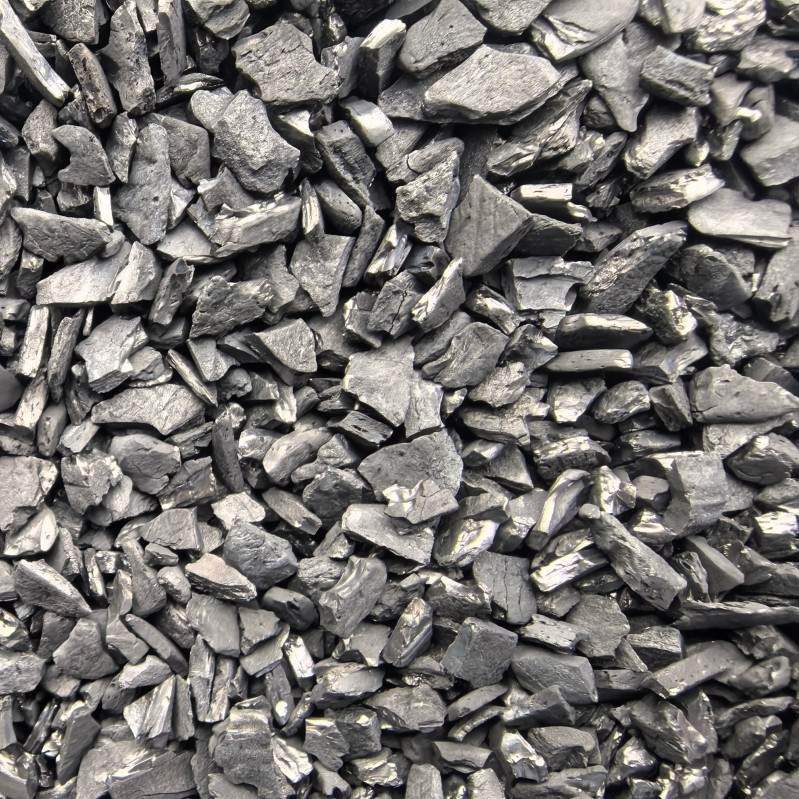
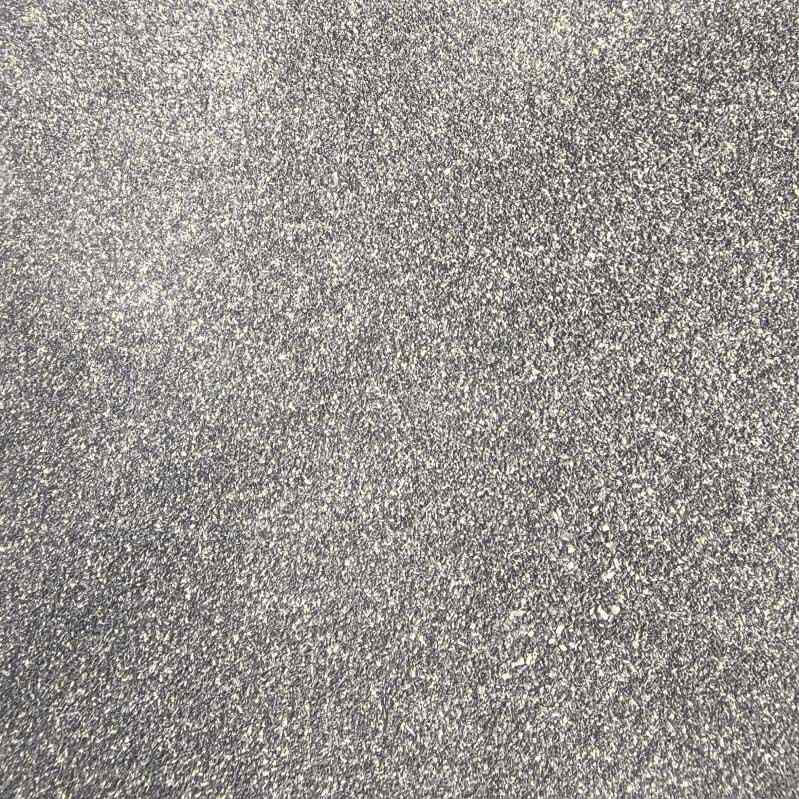
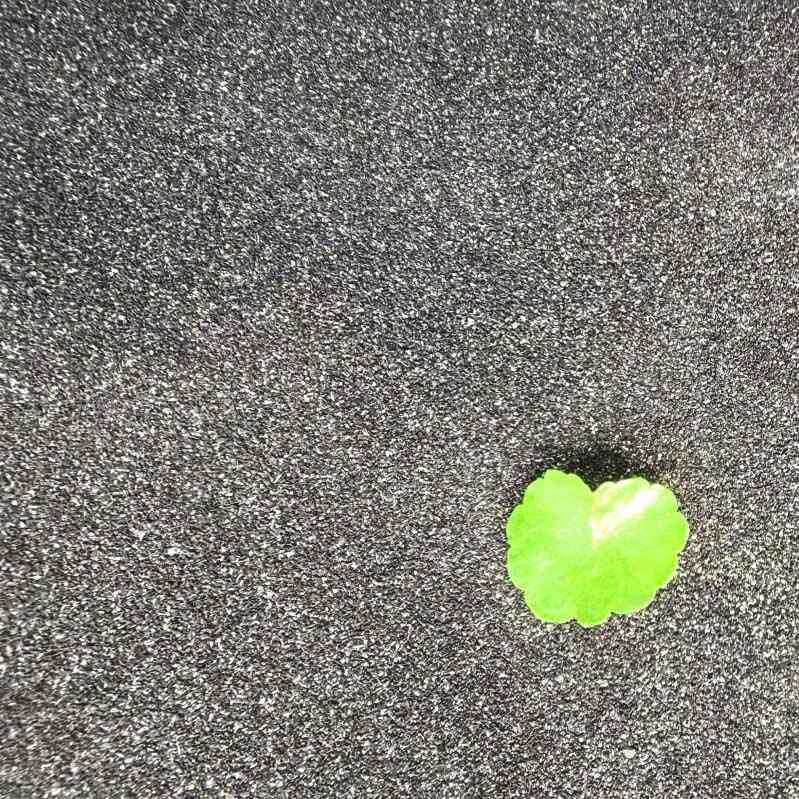
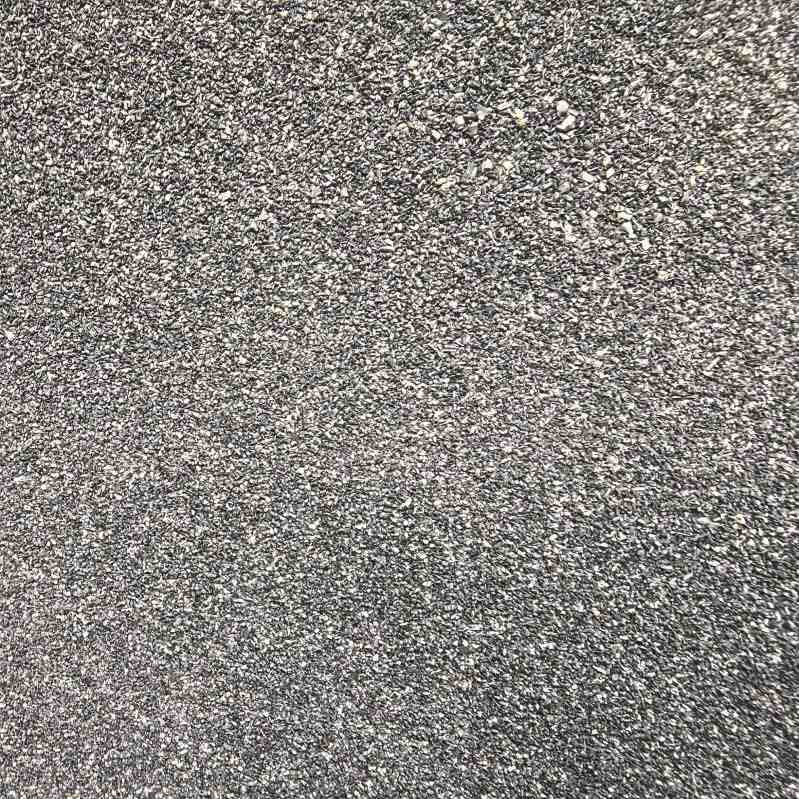
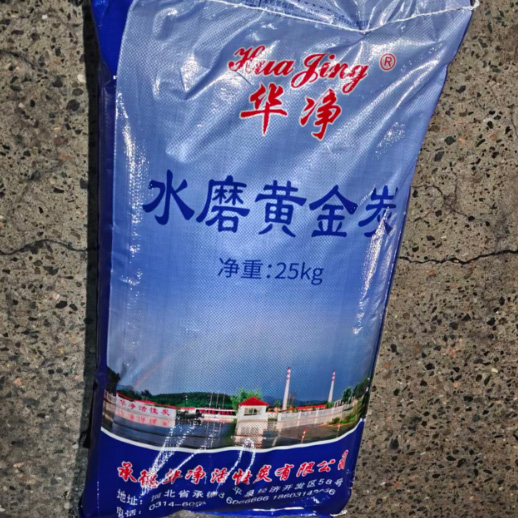
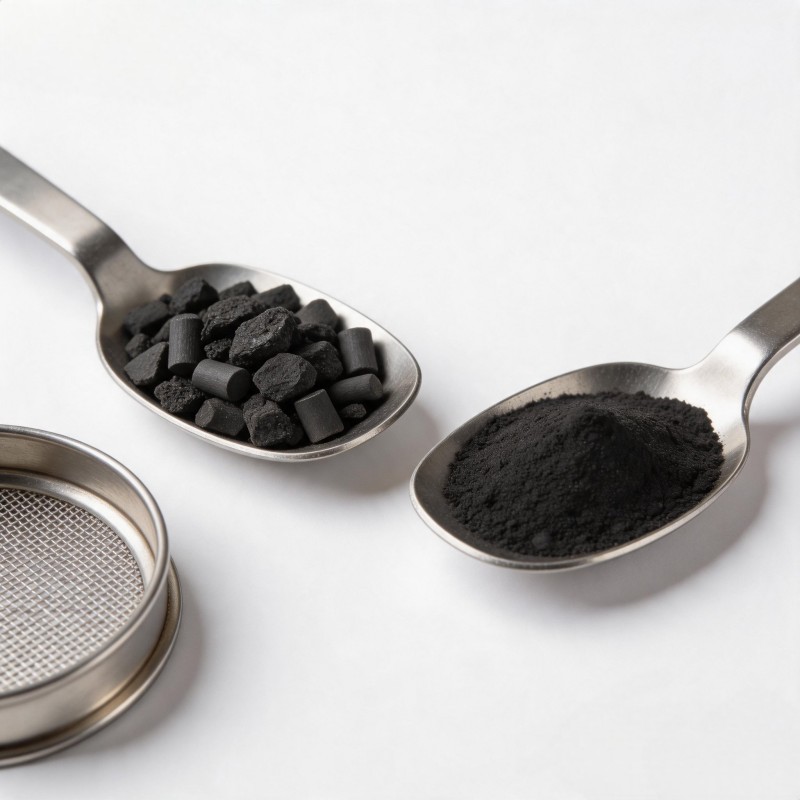
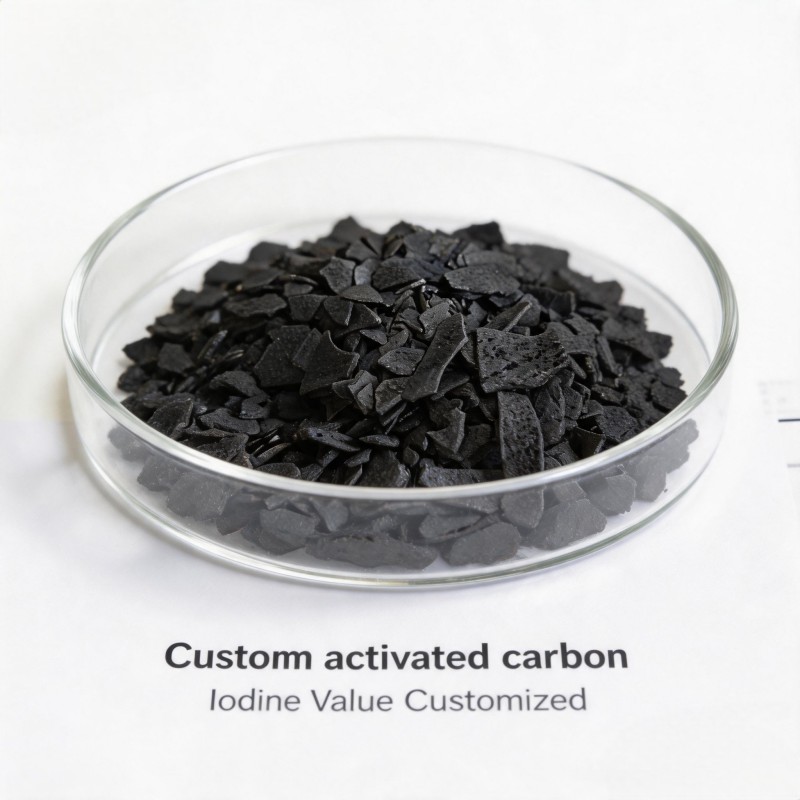
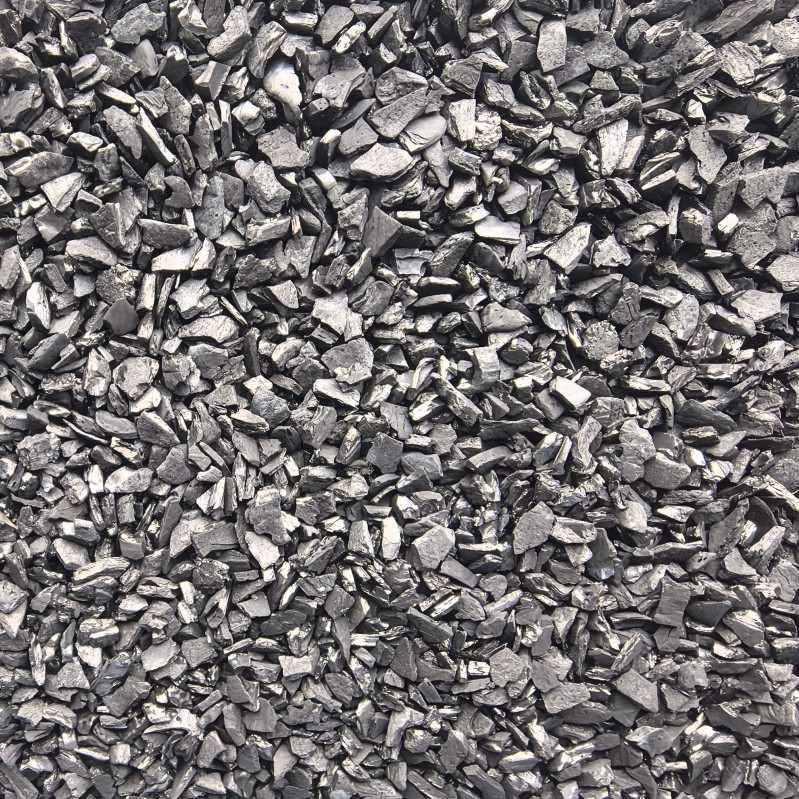
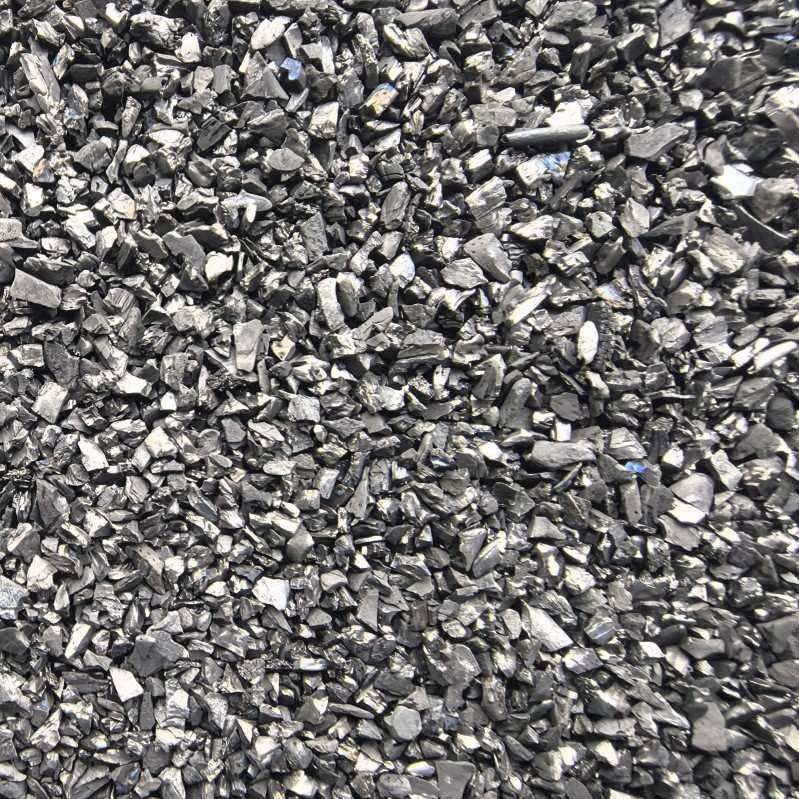
Huajing offers direct-from-factory supply of Power Plant Water Treatment Coconut Shell Carbon, available for immediate wholesale purchase. Specifically engineered for the raw water purification of power plant boilers, this product is refined using physical activation methods. It features uniform particle size, exceptional abrasion resistance, and durability against backwashing, boasting powerful adsorption capabilities. It effectively removes trace organic matter and residual chlorine from water, thereby safeguarding the quality of boiler feedwater and ensuring the operational safety of thermal systems. We welcome requests for free samples for testing and comparison; bulk purchasers are eligible for industry-specific, customized solutions.
Send Inquiry
Product Description
The treatment of raw water and makeup water in power plants is directly critical to boiler safety, the service life of membrane systems, and overall power generation efficiency. Huajing China has developed this specialized Power Plant Water Treatment Coconut Shell Carbon specifically to meet the rigorous operational demands of power plants. Available for immediate wholesale directly from our manufacturing facility, the product supports sampling and customization options.
Utilizing high-density coconut shells as our primary raw material, we employ a high-temperature steam physical activation process. We maintain strict control over particle size, mechanical strength, iodine value, and ash content to ensure a perfect fit for critical stages such as multi-media filtration, RO membrane pre-protection, and final polishing treatments.
The product reliably removes residual chlorine, TOC, colloids, and odors, effectively preventing boiler scaling, corrosion, and membrane element oxidation. It stands as the standard choice of activated carbon for large-scale thermal power plants, industrial park captive power stations, and combined heat and power (CHP) projects.
Features and Applications
Our Power Plant Water Treatment Coconut Shell Carbon is engineered specifically for power plant water treatment systems. It offers four core advantages—high mechanical strength, superior adsorption capacity, exceptional backwash durability, and high purity—making it suitable for every stage of the power plant water treatment workflow.
Boiler Raw Water Purification: Rapidly removes residual chlorine, humic acids, odors, and colloids from surface or groundwater sources; reduces turbidity and COD levels; and protects downstream water softening and demineralization units.
RO Membrane Pre-Protection: Features high mechanical strength to prevent pulverization, thereby avoiding carbon fines from clogging security filters. It provides highly efficient dechlorination to prevent membrane oxidation, extending the service life of RO membranes by 1 to 2 years.
Final Polishing Treatment: Deeply adsorbs trace organic contaminants to enhance effluent purity, ensuring the high quality of boiler feedwater and mitigating the risks of salt accumulation and electrochemical corrosion.
Circulating Water Purification: Inhibits microbial proliferation and reduces the accumulation of slime and algae, thereby minimizing losses in heat exchange efficiency and reducing the frequency of system cleaning.
Manufacturing Process & Product Details
We uphold rigorous standards for both raw materials and manufacturing processes, thereby ensuring the operational stability of power plant systems right from the source. The raw material for our Power Plant Water Treatment Coconut Shell Carbon is exclusively sourced from high-quality, high-density coconut shells in Southeast Asia. Characterized by exceptional hardness, a highly developed microporous structure, and low ash content, this material is far better suited than ordinary coconut shell carbon for applications involving prolonged backwashing and high flow rates. The pore size distribution is precisely engineered to match the specific characteristics of residual chlorine and small-molecule organic compounds found in water, resulting in faster adsorption rates, higher adsorption capacity, and superior regeneration performance.
Compared to standard coal-based or wood-based activated carbon:
1. Strength ≥ 95%: Highly resistant to fragmentation during backwashing, ensuring a more stable pressure drop across the filter bed.
2. Ash Content ≤ 5%: Contains minimal impurities, thereby preventing secondary contamination of the water supply.
3. Iodine Value ≥ 950 mg/g: Offers a higher adsorption capacity, resulting in extended service life and longer replacement cycles.
4. pH 6–9 (Neutral Stability): Maintains a neutral pH range, ensuring it does not disrupt the chemical balance of the system water. Prior to shipment, every production batch undergoes comprehensive testing—covering particle size, mechanical strength, iodine value, moisture content, and ash content—and is released from the warehouse only upon passing all quality checks, thereby guaranteeing the continuous and safe operation of power plants.
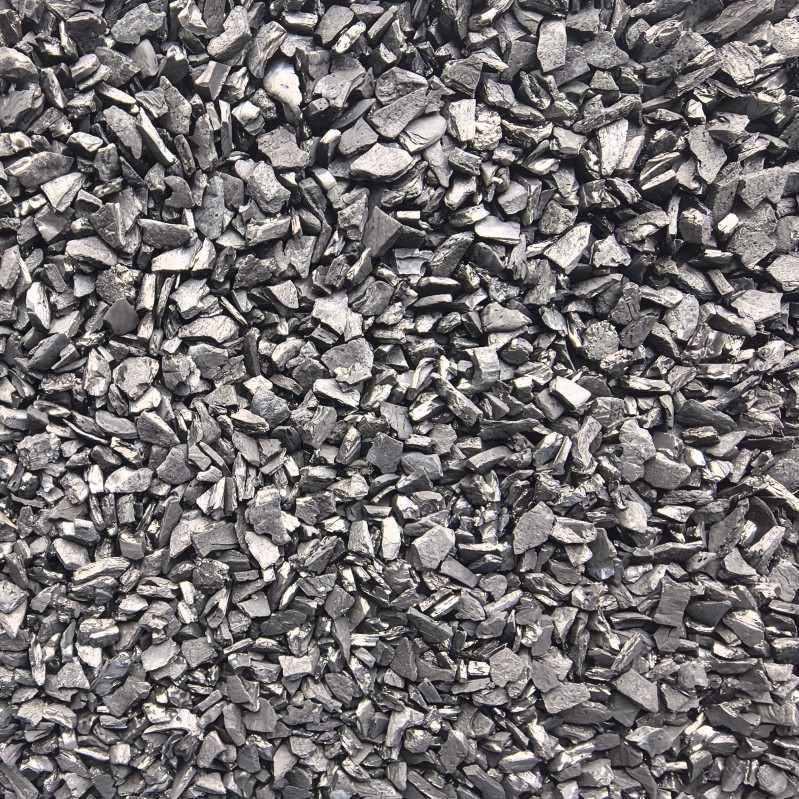
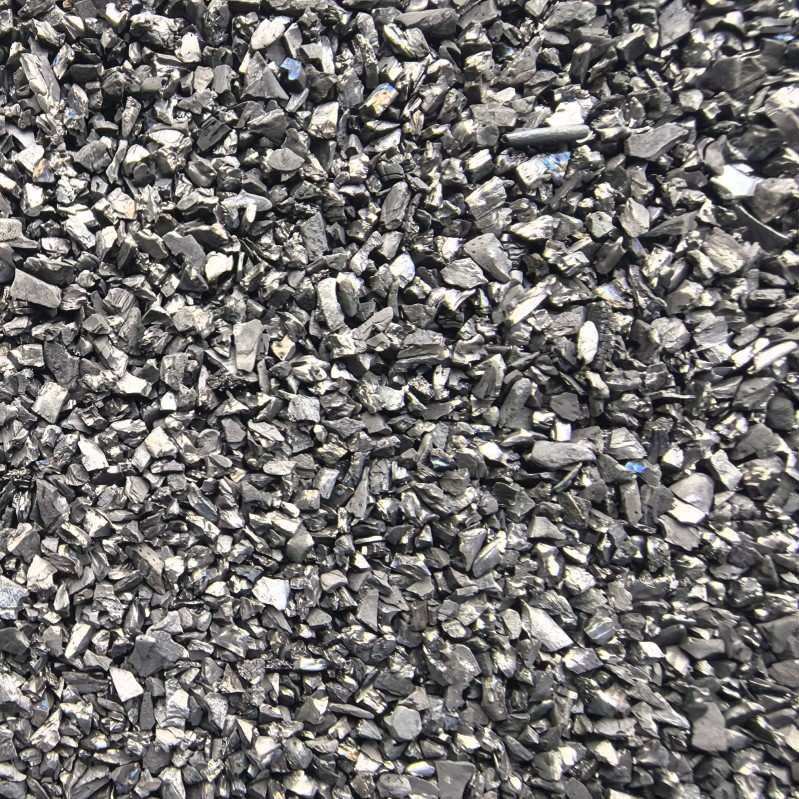
Core Technical Parameters Table
| Test Item | Technical Specification | Unit | Huajing Standard Interpretation |
| Particle Size | 6-16 | Mesh | Sieve residue ≥95% (Moderate flow rate, sufficient contact) |
| Iodine Adsorption Value | ≥950 | mg/g | Guaranteed high adsorption capacity, far exceeding the industry average |
| Mechanical Strength | ≥95 | % | Super wear-resistant, specially designed for high-pressure working conditions |
| Bulk Density | 0.45-0.55 | g/ml | Moderate packing density, conducive to backwashing and regeneration |
| Moisture Content | ≤10 | % | Low moisture content, ensuring stability during transportation and storage |
| Ash Content | ≤5 | % | Low impurities, avoiding secondary pollution |
| pH Value | 6-9 | - | Neutral environment, no corrosion to metal pipes |
Note: Particle size, iodine value, and mechanical strength can be customized to meet specific client requirements. We also support third-party testing and the issuance of official test reports.
Authoritative Credentials & Manufacturing Capabilities
Established in 1997, China Huajing is recognized as a Key Leading Enterprise in China's Forestry Sector, a High-Tech Enterprise, and a "Specialized, Refined, and Innovative" (SRI) Demonstration Enterprise in Hebei Province. The company holds over 30 national patents and has established the National Engineering Technology Research Center for Biomass Multi-Generation Utilization (under the National Forestry and Grassland Administration), as well as three Academician Workstations. With an annual production capacity of 40,000 tons of activated carbon, we are one of the few large-scale manufacturers in China capable of reliably supplying specialized coconut shell activated carbon for power plant applications.
Our products have obtained triple-system certification (ISO 9001, ISO 14001, and ISO 45001) and hold authoritative credentials such as the Sanitary License for Water-Related Products and the "Hebei Famous Brand Product" designation. We have long served as a trusted supplier to major conglomerates across the power generation, petrochemical, and water utility sectors. We offer stable supply, strictly controlled product quality, and comprehensive after-sales support, providing power plant procurement teams with complete peace of mind.
Key Points for Usage, Loading, and Maintenance
Proper usage of Power Plant Water Treatment Coconut Shell Carbon can significantly enhance performance and extend its service life:
1. Clean the filter vessel thoroughly prior to loading to prevent the introduction of debris.
2. A filter bed depth of ≥1.5 meters is recommended to ensure adequate contact time and optimal adsorption efficiency.
3. New carbon should be rinsed with clean water until the effluent runs clear before being put into operation.
4. Perform regular backwashing; use moderate intensity to prevent carbon breakage.
5. Continuously monitor residual chlorine, TOC, and differential pressure; replace or regenerate the carbon promptly once breakthrough is imminent.
6. Store in a dry environment to prevent moisture absorption and contamination. We offer complimentary loading plans, operational parameter recommendations, and on-site commissioning guidance.
FAQ
Q1: Why do power plants typically prefer coconut shell carbon over coal-based carbon?
A1: Coconut shell carbon features high mechanical strength, low ash content, and superior performance in chlorine removal and organic matter adsorption. It is less prone to pulverization and membrane fouling, making it ideally suited for RO pre-treatment and polishing applications; over the long term, it proves to be the more economical choice.
Q2: How long does a single batch of carbon typically last?
A2: Under normal water quality conditions and with proper backwashing protocols, our specialized coconut shell activated carbon for power plants can last for 12 to 24 months, with the end of service life determined by the breakthrough of residual chlorine or TOC.
Q3: Can you provide qualification documents and test reports for your Power Plant Water Treatment Coconut Shell Carbon?
A3: We can provide relevant water-related product approvals, ISO management system certifications (covering Quality, Environment, and Occupational Health & Safety), and factory inspection reports. We also support independent third-party testing accredited by CMA.
Hot Tags: Power Plant Water Treatment Coconut Shell Carbon, China, Factory
Related Category
Gold Recovery Coconut Shell Activated Carbon
Water Treatment Coconut Shell Activated Carbon
Air Purification Coconut Shell Activated Carbon
Food or Beverage Coconut Shell Activated Carbon
Industrial Grade Coconut Shell Activated Carbon
Electronics Coconut Shell Activated Carbon
Send Inquiry
Please feel free to give your inquiry in the form below. We will reply you in 24 hours.