Home
>
Products > Coconut Shell Activated Carbon > Gold Recovery Coconut Shell Activated Carbon > 70% ctc Coconut Shell Carbon for Gold Recovery
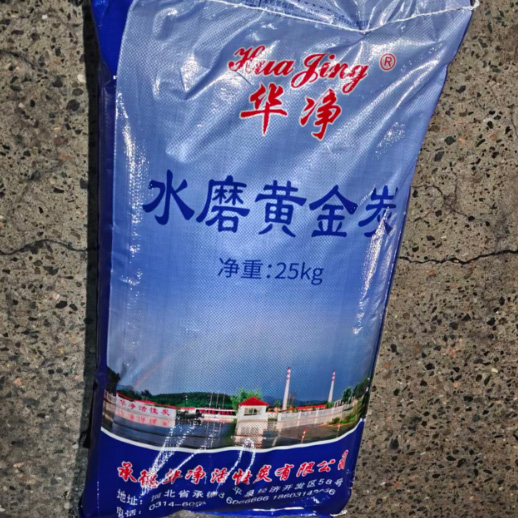
70% ctc Coconut Shell Carbon for Gold Recovery
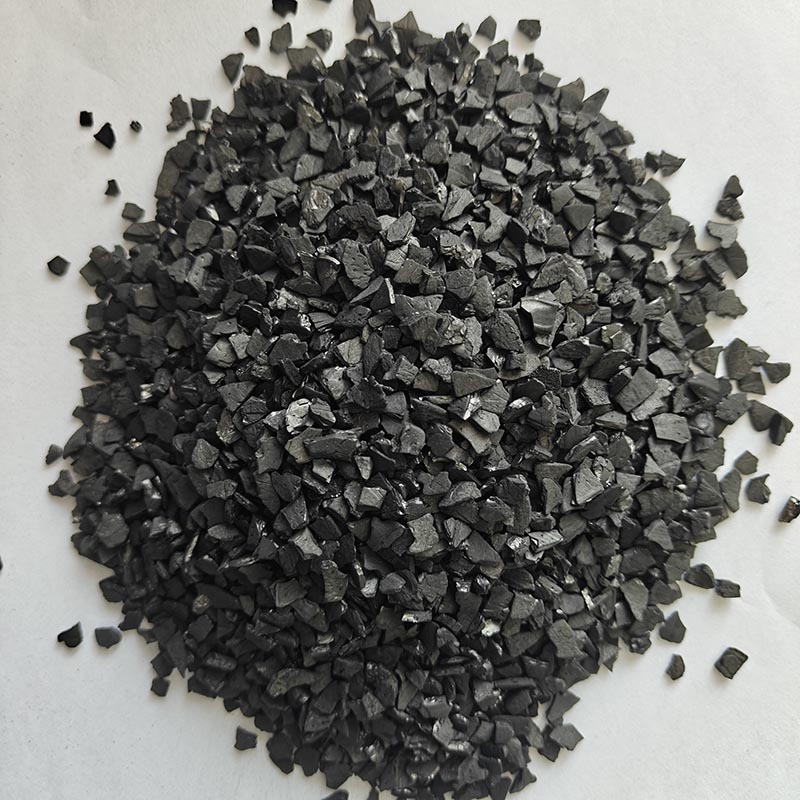
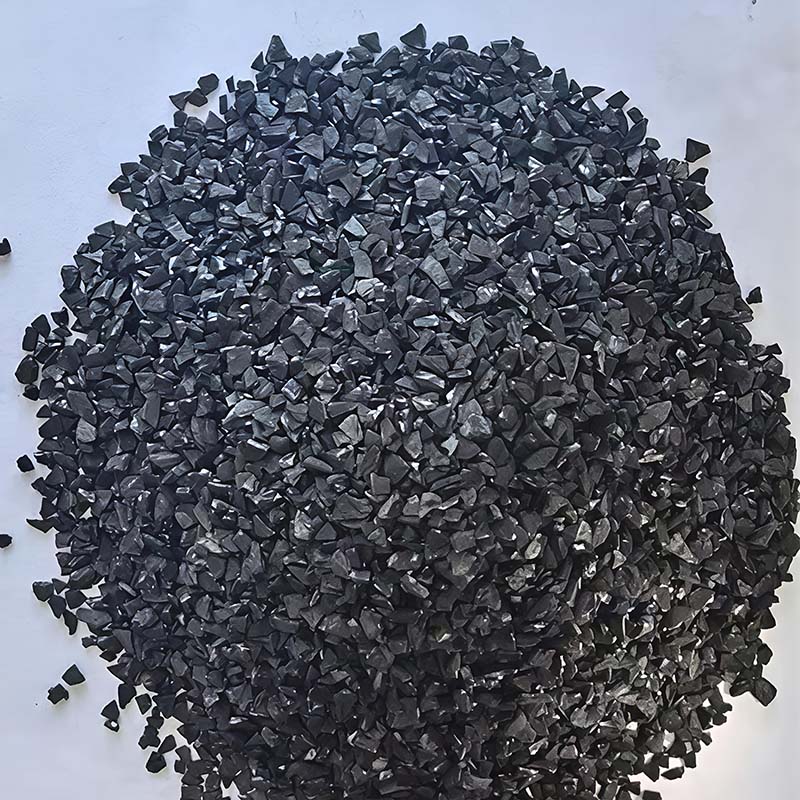
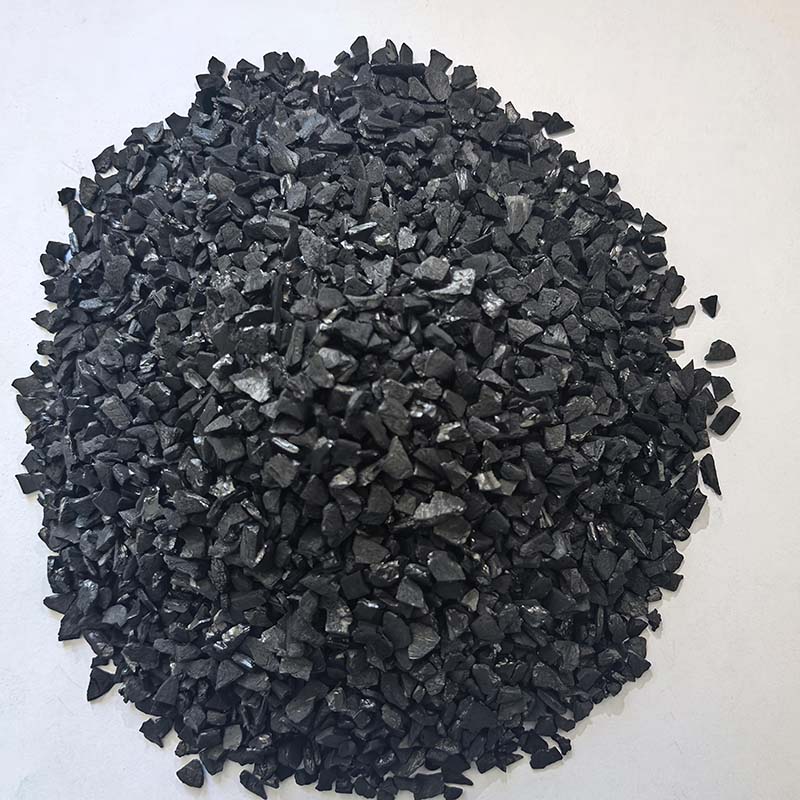
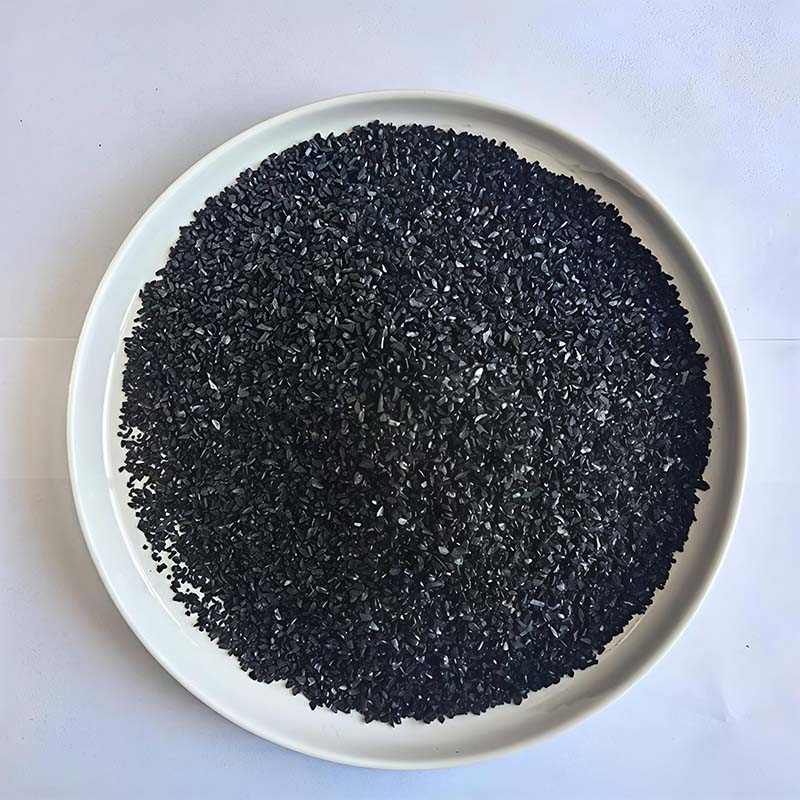
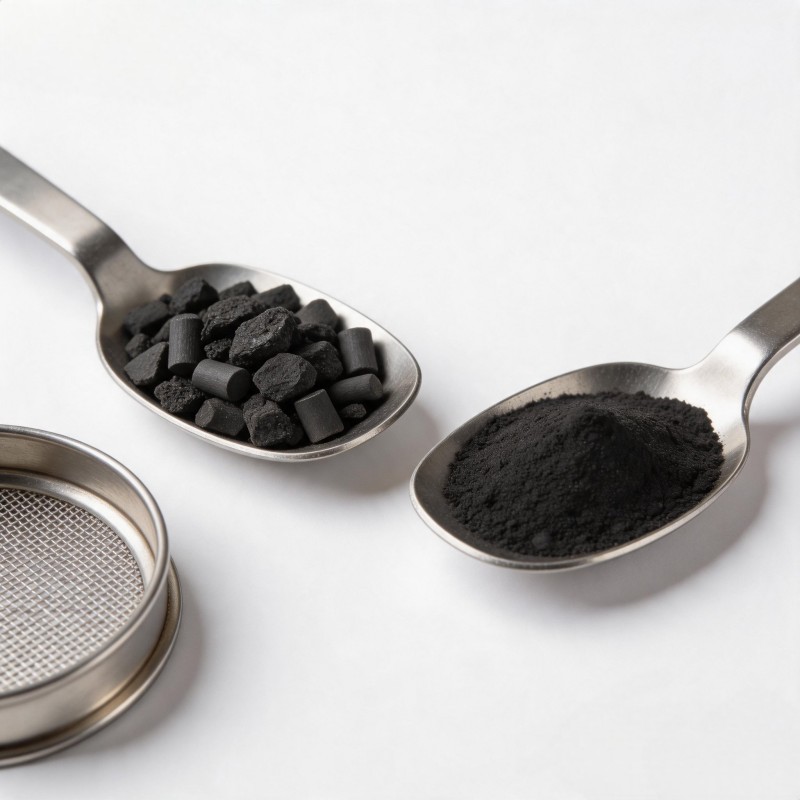
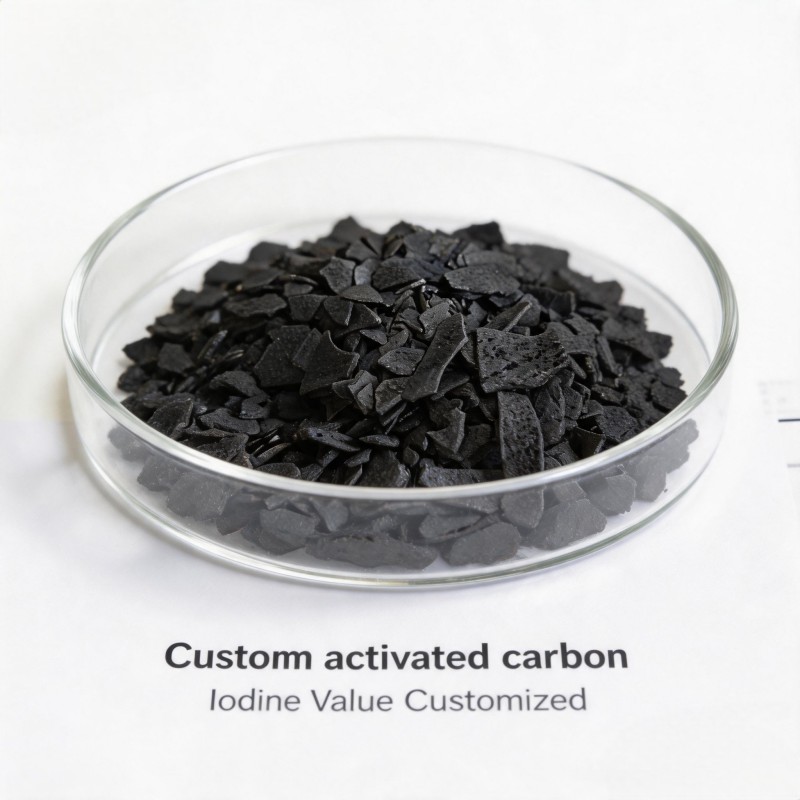
Huajing's 60% ctc Coconut Shell Carbon for Gold Recovery is a key consumable material in large-scale CIP/CIL and heap leaching gold extraction processes. In the field of gold extraction, an iodine value of ≥ 1000mg/g is the dividing line that distinguishes ordinary carbon from high-efficiency carbon. We use high-quality coconut shells from Southeast Asia, which are refined through a series of processes including carbonization and high-temperature physical activation with steam. This product features excellent mechanical strength, strong adsorption capacity, fast gold extraction speed, and easy decomposition. It is widely applicable in gold extraction and tail liquid recovery in the carbon slurry method and heap leaching method for gold extraction, as well as in the extraction of precious metals such as gold and platinum in wet metallurgy.
Send Inquiry
Product Description
Premium Coconut Shell Activated Carbon for Gold Extraction (CIP / CIL)
Maximize your gold yield with our advanced coconut shell activated carbon, engineered specifically for high-efficiency gold capture from cyanide pulp and leaching solutions. Designed to excel in both Carbon-in-Pulp (CIP) and Carbon-in-Leach (CIL) processes, our product consistently minimizes carbon loss while maximizing gold-loading capacity — giving your operation a decisive competitive edge.
The Science Behind the Efficiency: Triple Synergistic Mechanism
Our premium activated carbon doesn't merely filter — it actively captures gold through a highly developed, three-tier molecular mechanism, delivering over 30% higher gold-loading capacity compared to conventional alternatives.
① Precision Physical Adsorption
Featuring a massive specific surface area of 1,000 – 1,600 m²/g and a finely engineered micropore architecture — pores below 2 nm account for ≥ 60% of total pore volume. This molecular-scale footprint perfectly matches the dimensions of the gold cyanide complex ([Au(CN)₂]⁻, approx. 0.5 nm in diameter), acting as a precision molecular trap that locks gold ions deep within the carbon matrix.
② Targeted Chemical Adsorption
The carbon surface is richly functionalized with oxygen-containing groups — including carboxyl and phenolic hydroxyls — that selectively attract and anchor cationic complexes through powerful electrostatic interactions, ensuring a stable and selective bond between carbon and gold.
③ Ion-Pair Fixation
Gold cyanide complexes spontaneously form electrically neutral ion pairs with surrounding cations, locking themselves firmly and permanently deep within the carbon's internal microporous network for maximum retention and minimal gold loss during subsequent processing stages.
Core Technical Specifications
Every batch is engineered and quality-controlled for durability, high capacity, and maximum recovery performance.
| Parameter | Specification |
| Carbon Tetrachloride Activity (CTC) | ≥ 60% |
| Mechanical Strength | ≥ 97% |
| Moisture Content | ≤ 10% |
| Apparent Density | 0.45 – 0.55 g/ml |
| Particle Size | 1.0 – 3.0 mm (8 – 16 mesh) |
Expert Guide: Process Optimization Parameters for CIP & CIL Operations
To help you achieve the highest adsorption efficiency and lowest operational costs, our metallurgical engineers recommend the following optimized parameters. These values are derived from extensive real-world industrial data across CIP and CIL operations globally.
Stage 1 — Pre-treatment & Cyanidation ( Gold Dissolution )
| Parameter | Optimized Range | Optimization Objective | Application Notes |
| Slurry pH | 9.0 – 12.0 | Prevent HCN volatilization; ensure complete gold dissolution | Regulate with lime (CaO) or NaOH. Avoid pH > 12, which inhibits adsorption. |
| Cyanide Concentration (NaCN / KCN) | 0.02% – 0.05% (mass) | Form stable [Au(CN)₂]⁻ complexes; minimize cyanide consumption | Calibrate to ore grade. Excess cyanide raises cost and environmental burden. |
| Slurry Temperature | 20°C – 35°C | Accelerate cyanidation while balancing reaction rate and energy use | Do not exceed 40°C — rapid cyanide decomposition reduces leaching efficiency. |
| Dissolved Oxygen | ≥ 8 mg/L | Supply the oxygen required for gold oxidation during cyanidation | Use dedicated aeration equipment; ensure uniform distribution to eliminate dead zones. |
Stage 2 — Activated Carbon Adsorption ( Core Recovery )
| Parameter | Optimized Range | Optimization Objective | Application Notes |
| Carbon Dosage | 10 – 30 g/L (slurry) | Maximize gold adsorption; minimize residual gold in barren solution | Adjust to ore grade. Coconut shell activated carbon is strongly recommended for optimal performance. |
| Particle Size | 1.0 – 3.0 mm (8 – 16 mesh) | Balance adsorption rate with filtration performance | Avoid overly fine particles (high loss risk) or coarse particles (reduced surface area). |
| Adsorption Time | 4 – 8 hours | Ensure full pore penetration and adsorption equilibrium | Optimize based on the number of tanks in your CIP/CIL circuit for stable continuous output. |
| Slurry Solids Content | 30% – 45% (volume) | Maximize carbon–complex contact while maintaining ideal slurry fluidity | Excessively high solids impair circulation; excessively low content reduces throughput efficiency. |
| Ionic Strength (Ca²⁺ / Na⁺) | 0.05 – 0.2 mol/L | Promote neutral ion-pair formation (e.g., Ca[Au(CN)₂]₂) to enhance physical adsorption | Supplement calcium ions via lime addition, which simultaneously assists pH regulation. |
Stage 3 — Desorption & Electrowinning
| Parameter | Optimized Range | Optimization Objective | Application Notes |
| Electrolytic Current Density | 10 – 20 A/m² | Achieve effective, high-purity gold deposition from desorption solution | Adjust based on gold concentration in the pregnant eluate; maintain stable electrolytic conditions. |
Note: All parameters above are derived from optimizations based on extensive industrial practice. Values may require adjustment depending on your specific ore properties (gold grade, mineralogy), activated carbon batch specifications, and on-site equipment conditions. For personalized parameter optimization, please contact our dedicated technical support team.
Why Choose Huajing Carbon?
Trusted by the World's Leading Mining Groups
Huajing is the long-term partner of choice for premier international mining corporations, including Zijin Mining, Shandong Gold Group, and Zhaojin Group. Our unwavering commitment to product quality and professional service has positioned us as a preferred supplier across the global precious-metals industry.
Unrivaled Manufacturing Scale & Capacity
With an annual production capacity of 40,000 metric tons, Huajing reliably fulfills large-scale and urgent procurement demands. Our state-of-the-art manufacturing base currently operates 12 integrated gasification-activation furnaces, 10 standalone gasification furnaces, 6 converter units, and 2 advanced Sleipner furnaces — ensuring consistent quality at every scale.
Award-Winning R&D & Innovation
Innovation is embedded in our DNA. Supported by 3 dedicated engineering academies — established in collaboration with Nanjing Forestry University, Shenyang Agricultural University, and the Chinese Academy of Forestry — and 2 provincial-level research centers, Huajing has accumulated over 30 national patents. Our scientific achievements have earned prestigious national recognition, including the National Science and Technology Progress Award, affirming our position as an industry technology leader.
Frequently Asked Questions
Q1: How does your High-CTC Coconut Shell Carbon perform in both CIL and CIP processes?
Whether you operate a CIL (simultaneous leaching and adsorption) or a CIP (sequential adsorption) circuit, our carbon delivers exceptional results in both. Its outstanding mechanical strength of ≥ 97% ensures minimal attrition and breakage even under vigorous agitation, drastically reducing carbon fines, gold carry-over losses, and overall carbon consumption costs.
Q2: Is this carbon suitable for high-density slurries or complex ore compositions?
Absolutely. Our premium-grade carbon is specifically engineered to perform under demanding conditions, including highly viscous pulps and mineralogically complex ores with elevated impurity levels. Its robust, well-developed micropore network enables rapid adsorption kinetics, ensuring a consistent and high-yield gold recovery rate regardless of ore complexity or slurry characteristics.
Q3: Why is High-CTC coconut shell activated carbon the preferred choice for gold extraction?
A CTC activity value of ≥ 60% is a reliable indicator of a densely developed internal microporous structure — precisely the architecture required to trap and retain gold cyanide complexes at the molecular level. Combined with the inherent hardness of premium-grade coconut shells, the result is the ideal balance of high gold-loading capacity, excellent desorption performance, and superior wear resistance. This translates directly into lower carbon consumption, reduced operational downtime, and a stronger bottom line for your operation.
Hot Tags: 60% ctc Coconut Shell Carbon for Gold Recovery, China, Manufacturer, Supplier, Factory
Related Category
Gold Recovery Coconut Shell Activated Carbon
Water Treatment Coconut Shell Activated Carbon
Air Purification Coconut Shell Activated Carbon
Food or Beverage Coconut Shell Activated Carbon
Industrial Grade Coconut Shell Activated Carbon
Electronics Coconut Shell Activated Carbon
Send Inquiry
Please feel free to give your inquiry in the form below. We will reply you in 24 hours.