Home
>
Products > Coconut Shell Activated Carbon > Industrial Grade Coconut Shell Activated Carbon > Energy Storage Coconut Shell Activated Carbon
Energy Storage Coconut Shell Activated Carbon
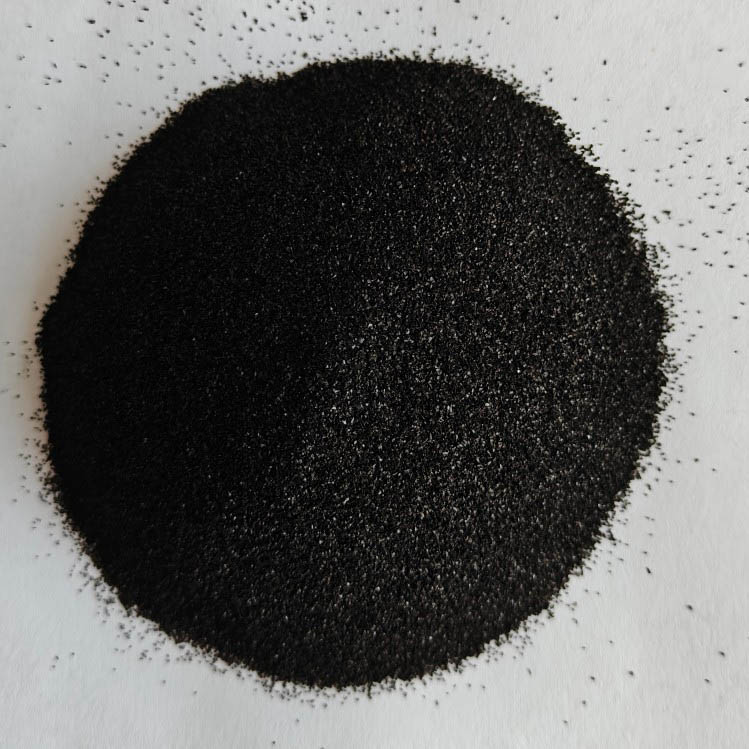
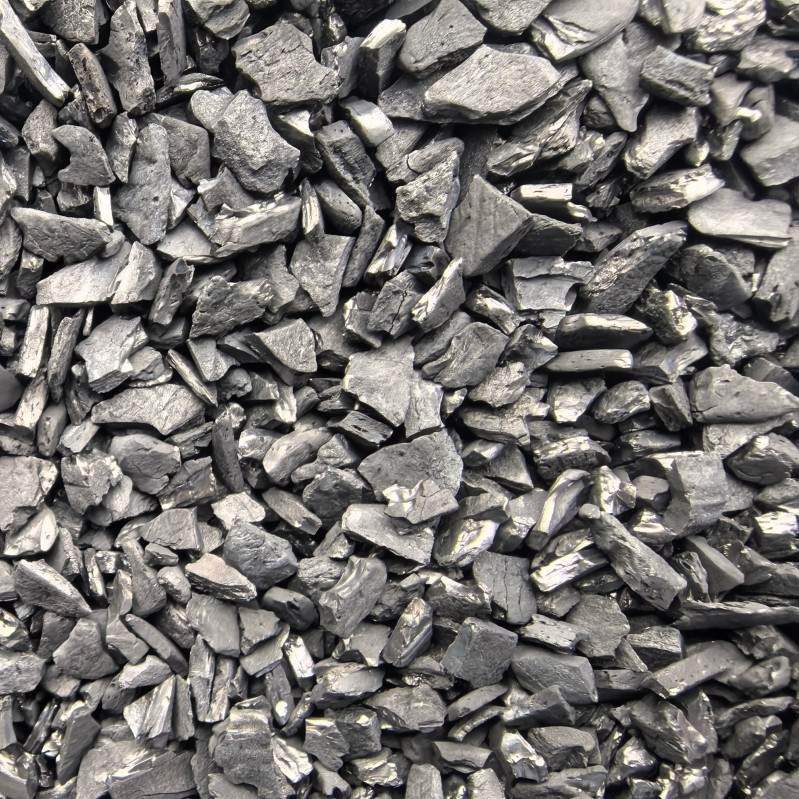
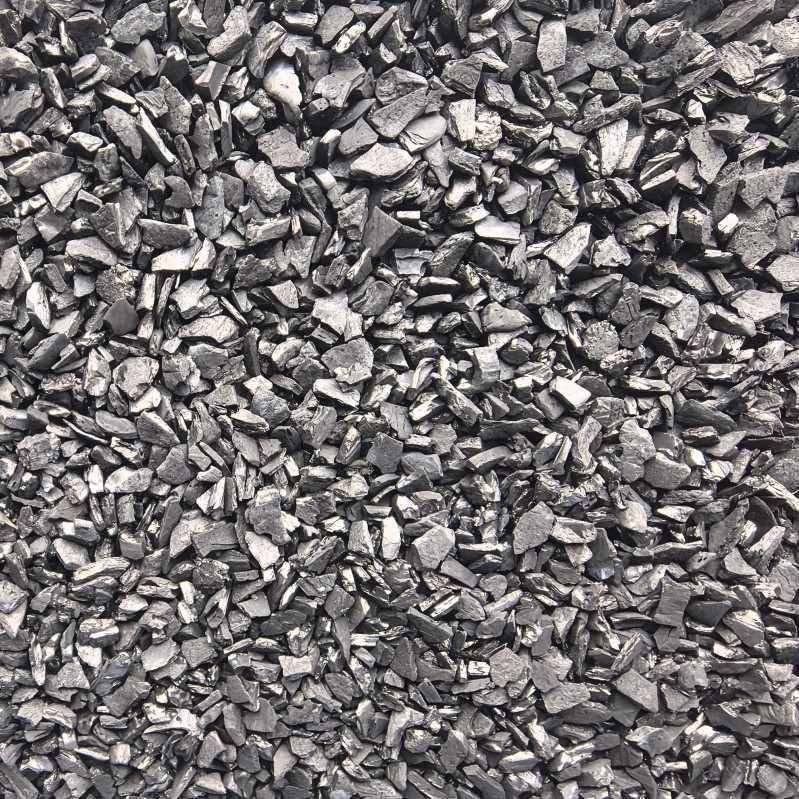
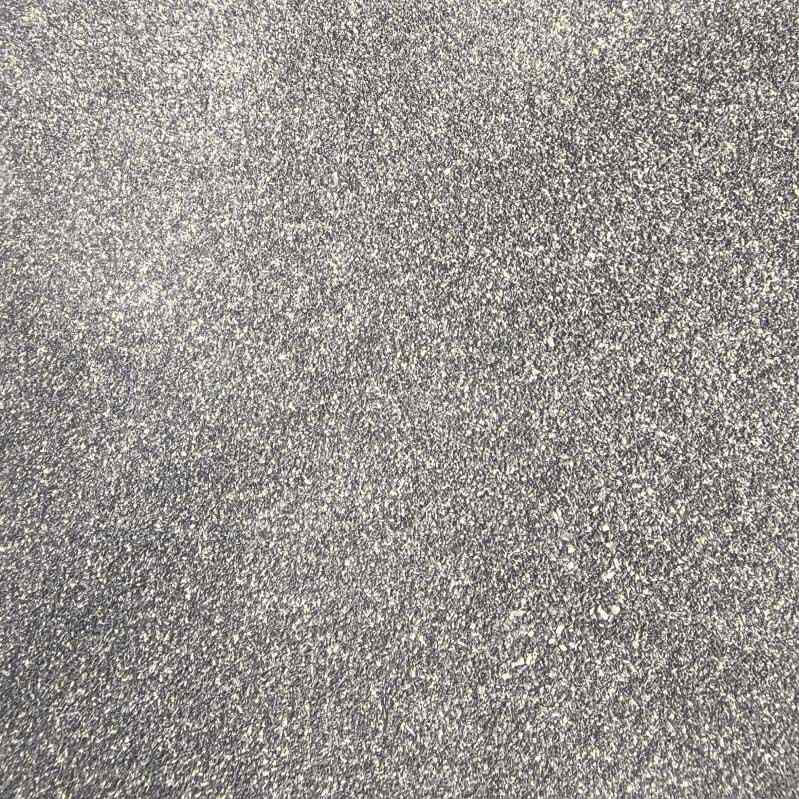
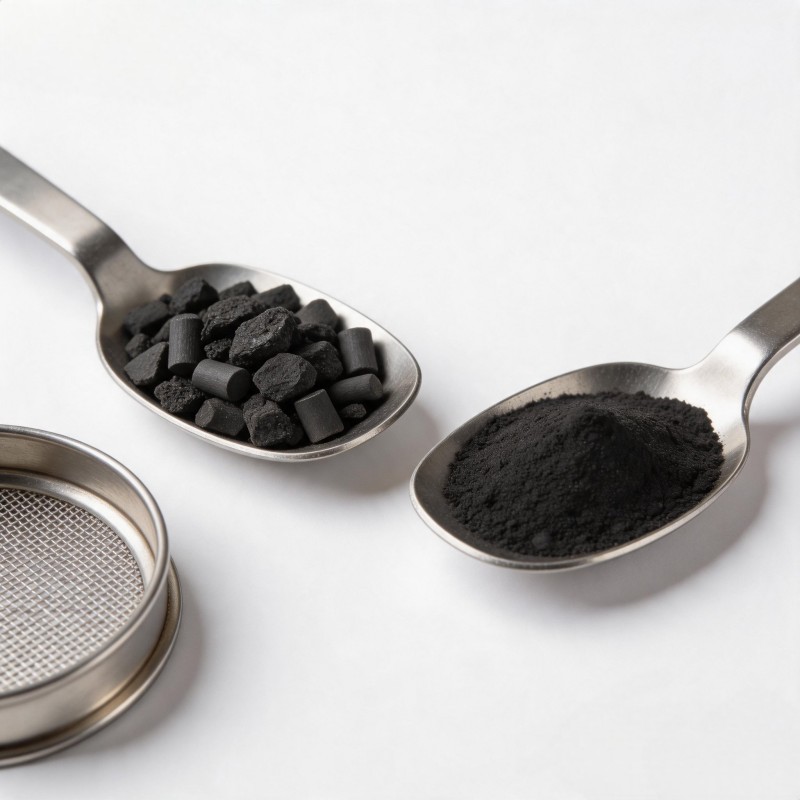
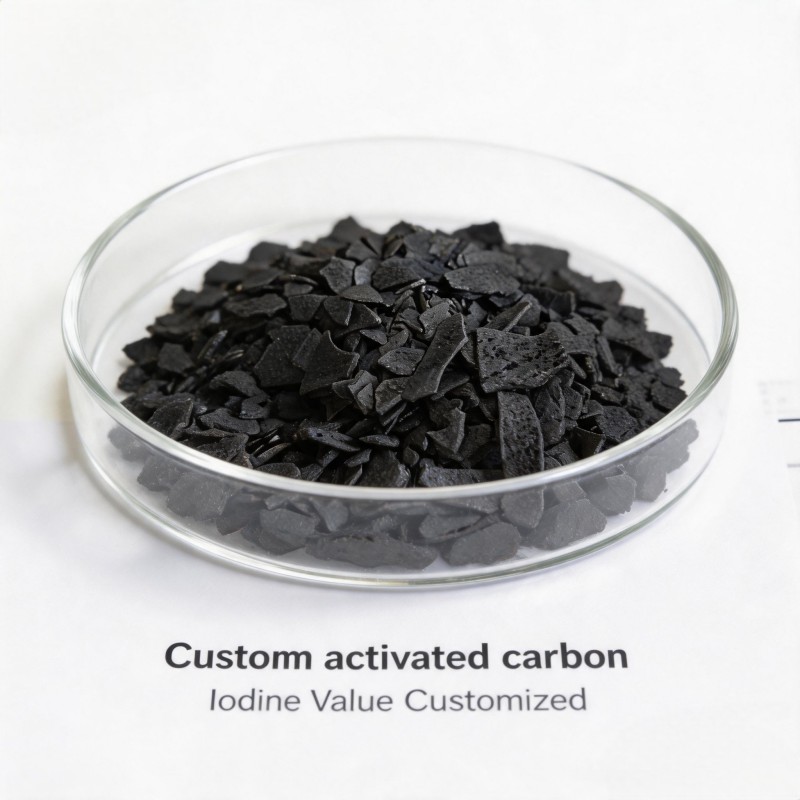
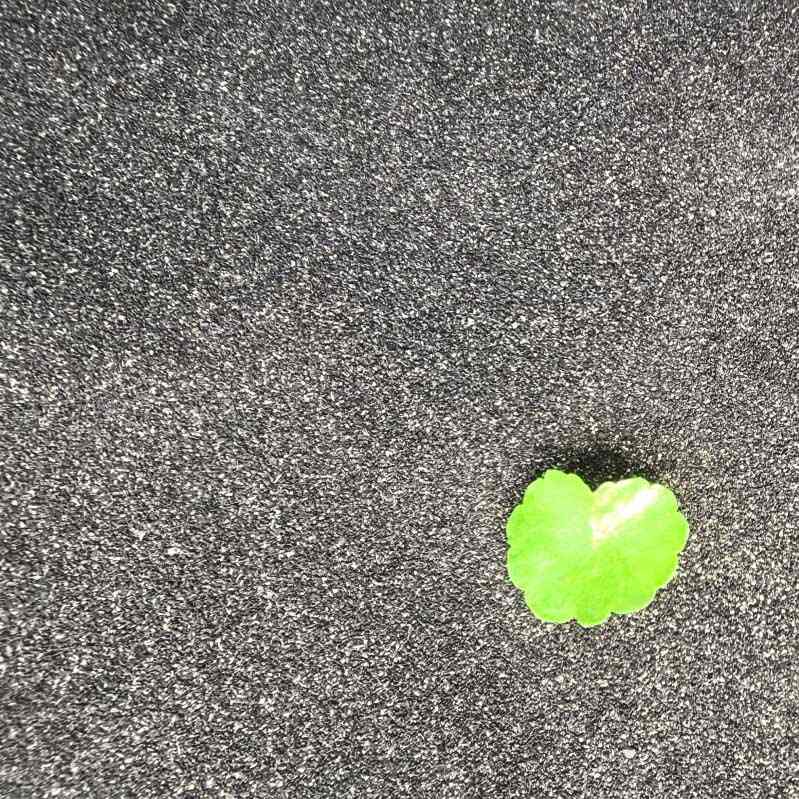
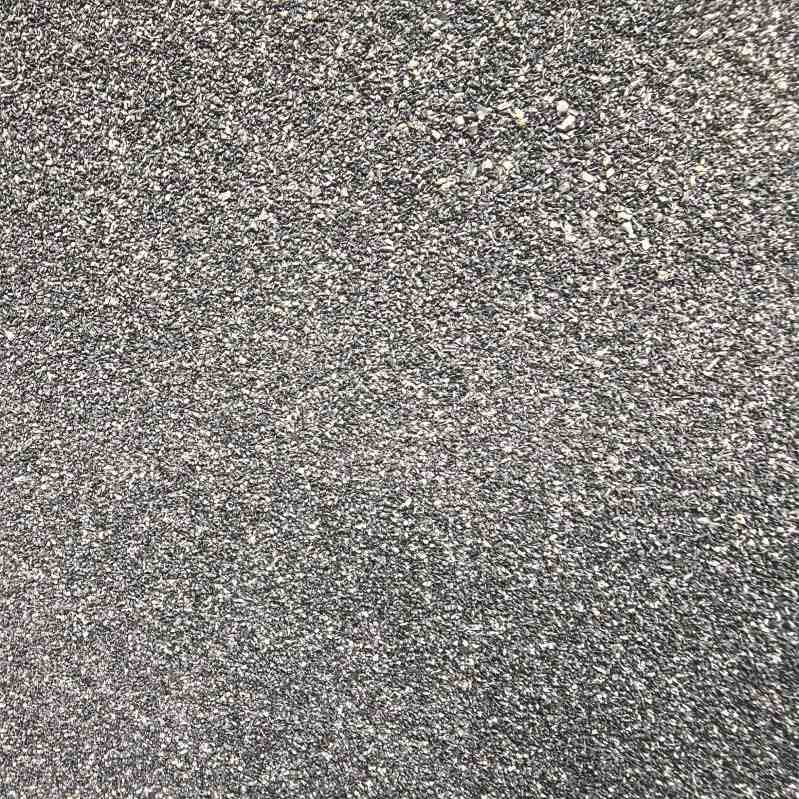
China Huajing offers direct-from-manufacturer supply of Energy Storage Coconut Shell Activated Carbon, tailored for high-end applications such as supercapacitors, energy storage capacitors, and new energy storage electrodes. Produced from high-density coconut shells through advanced activation and precision purification processes, this product features a high specific surface area, a graded pore structure, ultra-low ash content, and superior electrical conductivity. It demonstrates stable specific capacitance, excellent rate performance, and a long cycle life, effectively enhancing the energy density and charge-discharge efficiency of energy storage devices while minimizing internal resistance and self-discharge rates. Furthermore, we offer customization options for particle size and purity to align with specific electrode formulation requirements.
Send Inquiry
Product Description
For energy storage system engineers, selecting the wrong electrode material can mean—quite literally—capping the performance ceiling of the entire battery stack at a suboptimal level. We have observed instances where companies, in an effort to cut costs, utilized coal-based carbon or standard coconut shell carbon (lacking targeted purification) as the carrier material for flow battery anodes.
While initial charge-discharge data might not appear particularly poor, Coulombic efficiency often suffers a precipitous decline after just 1,500 cycles. Subsequent disassembly and analysis reveal the culprit: unstable ash components on the carbon surface continuously leach into the electrolyte, clogging the ion-exchange membrane—a form of irreversible failure.
Compared to our industry peers, what distinct performance advantages does our Energy Storage Coconut Shell Activated Carbon offer?
1. Ultra-High Specific Surface Area and Optimized Pore Size Distribution
We do not engage in the mere "numbers game" of simply stacking up specific surface area figures. An excessively high proportion of micropores can increase ion diffusion resistance, thereby hindering effective electrolyte wetting. By precisely controlling our activation processes, we strike the optimal balance for energy storage electrodes between micropores (which provide active sites) and mesopores (which serve as rapid mass-transfer channels), thereby ensuring minimal capacity fade during high-current-density charge-discharge cycles.
2. Rigorous Electrochemical Inertness Treatment
The most critical threat to carbon-based energy storage electrodes lies in uncontrolled side reactions triggered by oxygen-containing functional groups and trace metal impurities on the carbon surface when exposed to the wide potential window of the electrolyte. Our product undergoes a multi-stage passivation treatment under a high-temperature hydrogen atmosphere; this renders the carbon surface chemically stable, effectively preventing side reactions such as hydrogen or oxygen evolution, and thereby significantly extends the operational voltage window of the electrolyte.
3. Long-Term Structural Stability
The coconut shell precursor endows the carbon particles with exceptional bulk hardness and elastic modulus—a distinct advantage over the typically friable texture of wood-based carbons. Even after thousands of charge-discharge cycles involving repeated ion intercalation and de-intercalation, the particle structure remains intact, generating minimal debris.
Application Scenarios
Our Energy Storage Coconut Shell Activated Carbon addresses the core pain points of energy storage devices. With four key advantages—high specific capacitance, low internal resistance, long cycle life, and high stability—it meets the energy storage requirements across a comprehensive range of scenarios.
Supercapacitor Electrodes: Provides abundant charge adsorption sites; offers excellent rate performance and a cycle life exceeding tens of thousands of cycles, making it ideal for high-power charging and discharging applications.
New Energy Storage Modules: Reduces equivalent series resistance (ESR) while enhancing energy density and output efficiency; suitable for integrated wind/solar storage systems, backup power supplies, and industrial energy storage systems.
Rail Transit / Automotive Storage: Exhibits high thermal resistance and stability across a wide temperature range; supports instantaneous high-power discharge to facilitate start-stop operations and regenerative braking energy recovery.
Specialized Energy Storage Power Supplies: Features low self-discharge rates and high reliability, meeting the uninterruptible power supply (UPS) requirements for sectors such as telecommunications, national defense, and medical equipment.
Huajing’s Energy Storage Coconut Shell Activated Carbon has successfully integrated into the supply chains of numerous new energy material manufacturers. Validated through extensive long-term operational testing, it demonstrates stable performance and strong batch-to-batch consistency, empowering our clients to enhance their product yields and market competitiveness.
Technical Specifications & Engineering Insights
| Technical Index | Recommended Value | Practical Significance for Energy Storage Performance |
| Specific Surface Area (BET) | Customized according to customer requirements | Different from the conventional iodine value index, we recommend taking the data of the BET-N2 adsorption method as the standard. A high specific surface area means providing more electrochemical reaction interfaces, which directly increases the power density. |
| Ash Content | ≤ 3% | A key indicator of cleanliness. The extremely low ash content means the carbon body is nearly "inert" in strong acid/strong alkali electrolytes, which blocks side reactions from the source and is a reliable foundation for long-service-life stacks. |
| Electrical Conductivity | Test method to be agreed upon | Measured in the powder compacted state. High conductivity helps reduce ohmic polarization loss and is a key electrical indicator for improving energy efficiency. |
| Particle Size (D50) | Customized according to coating or pressing process | The appropriate median particle size and particle size distribution are related to the coating uniformity and surface density consistency of the electrode plate, which directly affects the process yield of the electrode. |
| Moisture Content | ≤ 5% | Stricter moisture control prevents the introduction of uncertain factors during the preparation of electrode slurry and the subsequent drying process. |
| pH Value | 6-8 | The near-neutral pH value ensures that the carbon powder will not affect the binder system or corrode the coating equipment due to its own strong acidic residues when preparing the electrode slurry. |
Procurement Process & Service Commitment
Sample Delivery & Technical Support: Please specify the electrolyte system type required for your target application; we will provide suitable trial samples and can assist in generating electrochemical window scanning data.
Custom Processing: Drawing upon years of experience in carbon material modification, we can conduct pilot-scale R&D and industrial-scale production scaling based on your specific requirements regarding particle size, purity, and specific surface area.
Commercial Contracts & Confidentiality Agreements: We understand the sensitivity of technical parameters in emerging energy storage technologies. Prior to collaborative development or supply engagements, we are prepared to execute mutual Non-Disclosure Agreements (NDAs) to safeguard your technical interests. Contact the Huajing sales team today to begin developing your next-generation high-performance electrodes.
Hot Tags: Energy Storage Coconut Shell Activated Carbon, China, Supplier
Related Category
Gold Recovery Coconut Shell Activated Carbon
Water Treatment Coconut Shell Activated Carbon
Air Purification Coconut Shell Activated Carbon
Food or Beverage Coconut Shell Activated Carbon
Industrial Grade Coconut Shell Activated Carbon
Electronics Coconut Shell Activated Carbon
Send Inquiry
Please feel free to give your inquiry in the form below. We will reply you in 24 hours.