Home
>
Products > Coconut Shell Activated Carbon > Food or Beverage Coconut Shell Activated Carbon > Food Grade Coconut Shell Activated Carbon
Food Grade Coconut Shell Activated Carbon
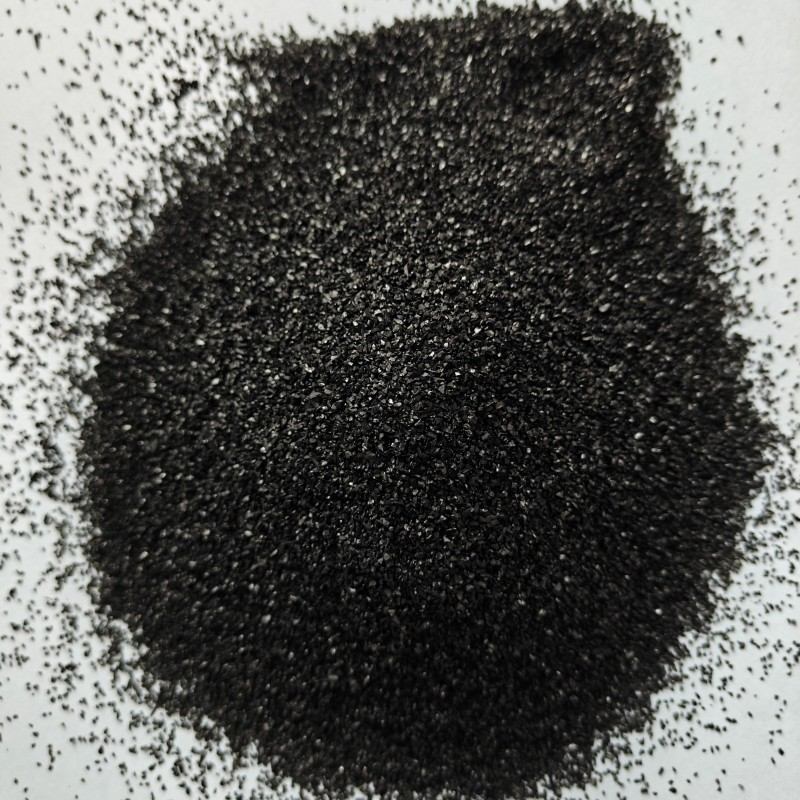
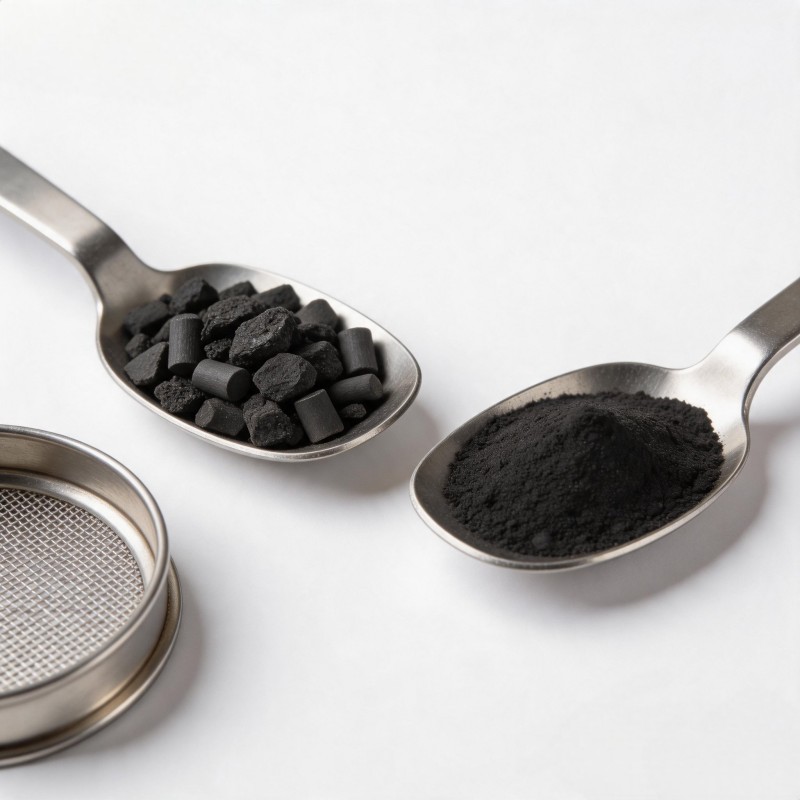
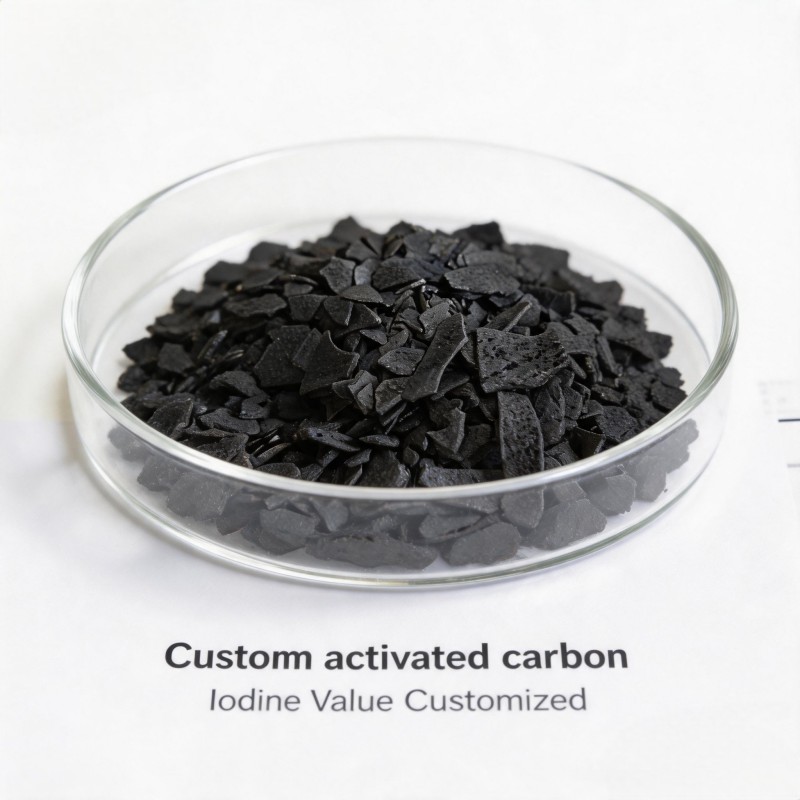
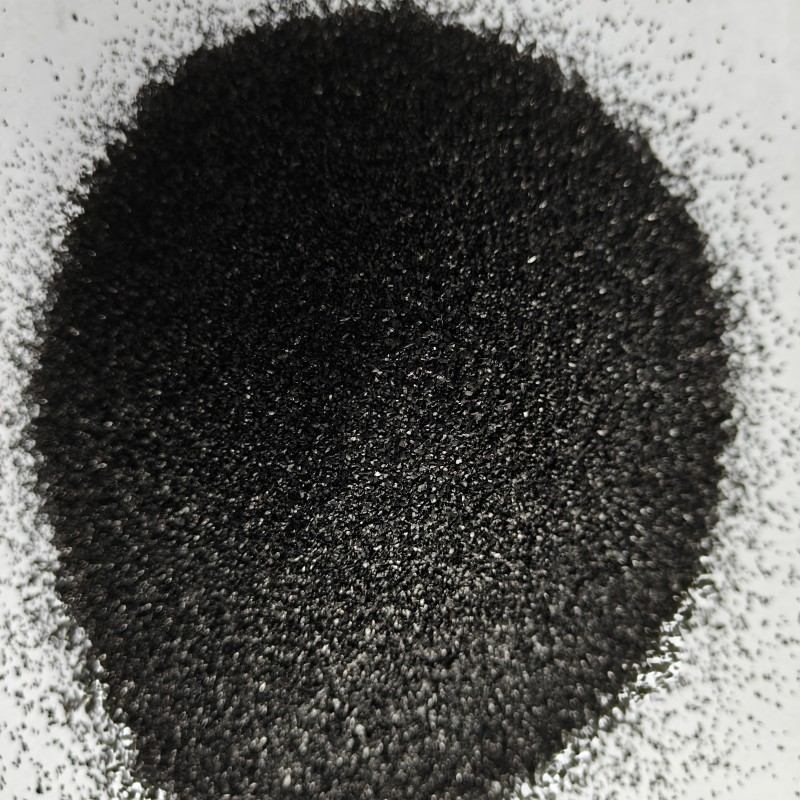
Huajing is a primary source manufacturer providing premium Food Grade Coconut Shell Activated Carbon, specifically developed for the food and beverage industry. Produced using high-quality coconut shell raw materials, it undergoes a high-temperature physical activation process. This specialized food-grade activated carbon features low impurity levels, high purity, and minimal heavy metal content, enabling it to effectively remove odors, pigments, and harmful substances. It is widely utilized for the decolorization and purification of purified water, beverages, and edible oils. We offer wholesale customization and technical guidance, making it the preferred material for food-grade purification applications.
Send Inquiry
Product Description
In the food and beverage production process, a product's color, taste, and safety directly determine a company's market competitiveness. Even the slightest impurity or off-flavor can result in the scrapping of an entire product batch—or worse—trigger a food safety crisis.
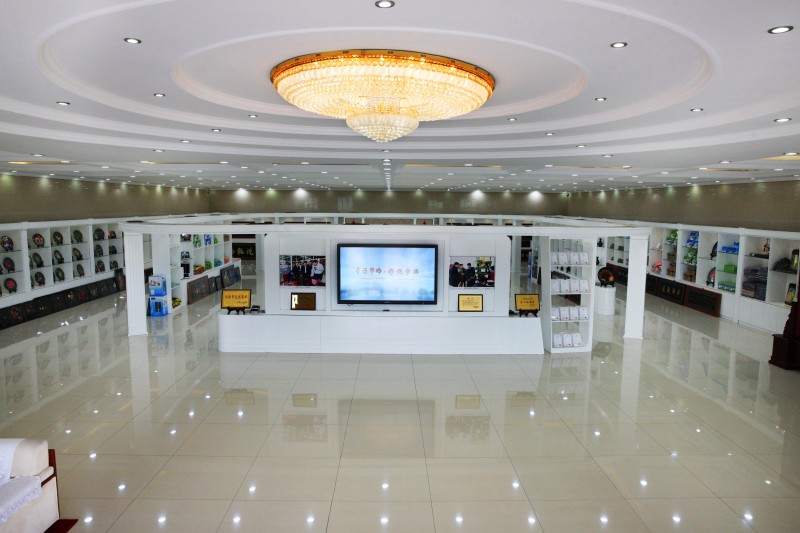
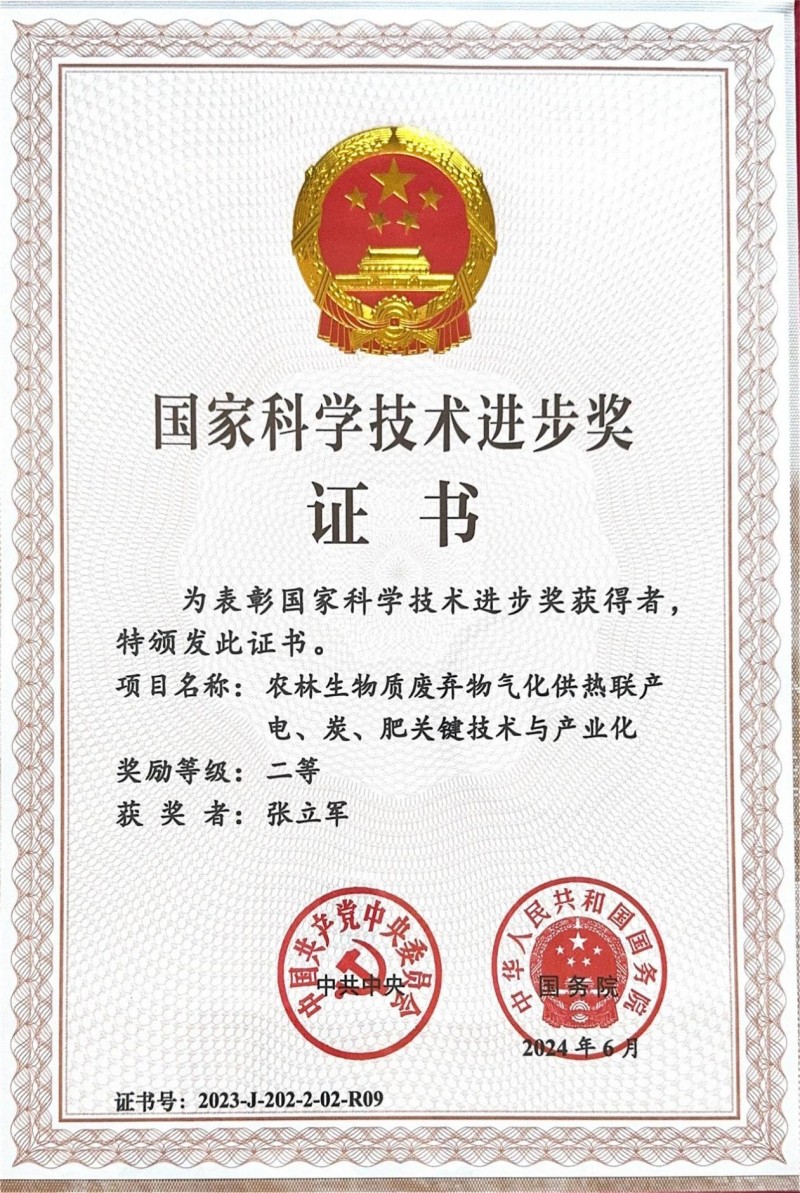
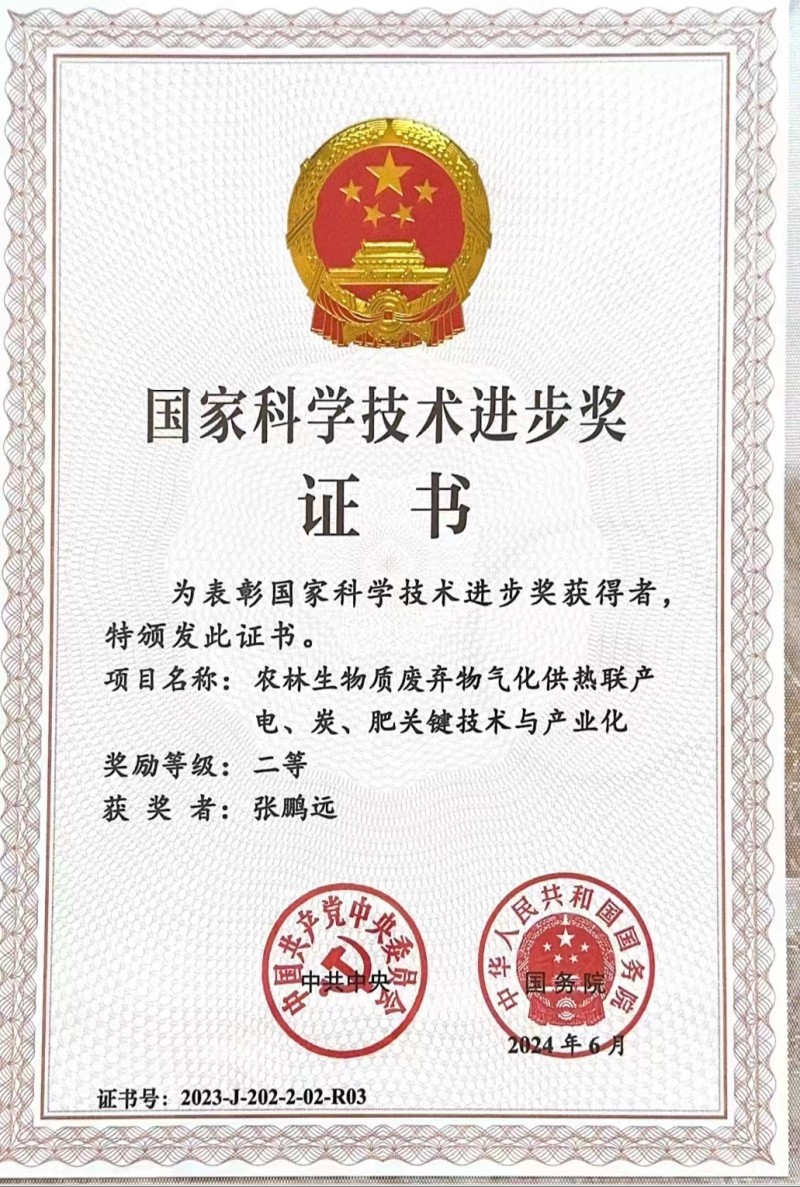
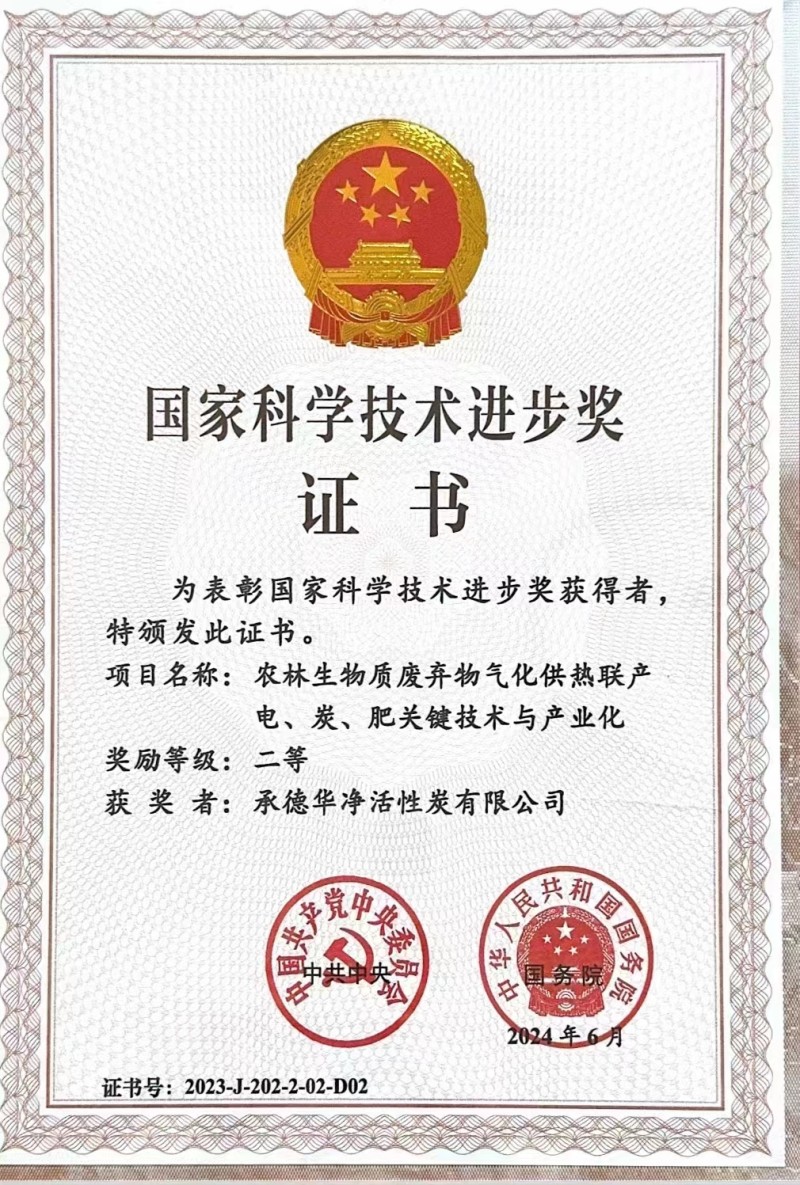
As a key leading enterprise in China's forestry sector, China Huajing leverages the expertise of the Academician Workstation at Nanjing Forestry University and the National Engineering Research Center for Biomass Multi-generation Technology under the National Forestry and Grassland Administration to bring you professional Food Grade Coconut Shell Activated Carbon. Crafted from premium coconut shells and refined through a rigorous physical activation process, this product guarantees exceptional purity and low ash content, serving as a "Safety Guardian" in the realm of food-grade purification.
Core Advantages: Why is Huajing Coconut Shell Carbon the First Choice for the Food Industry?
Compared to coal-based or wood-based activated carbon, Food Grade Coconut Shell Activated Carbon offers irreplaceable advantages in the field of food safety. We fully understand the stringent requirements the food industry places on raw materials;
consequently, this product possesses the following distinct characteristics:
1. Exceptional Purity for Worry-Free Safety
Coconut shell is widely recognized as the purest raw material for activated carbon. Our product features extremely low ash content (≤5%) and strictly controlled levels of heavy metals—such as iron, arsenic, and lead—fully complying with hygiene permits for water-related products as well as food-grade safety standards. This ensures that while effectively adsorbing impurities, the product does not introduce any secondary contamination to the food.
2. Highly Developed Porosity and Strong Adsorption Capacity
Leveraging our company's unique high-temperature steam activation technology, this product boasts a highly developed microporous structure and a massive specific surface area (Iodine Value ≥ 1000 mg/g). This enables it to efficiently adsorb odors, pigments, and trace amounts of toxic or harmful substances generated during the food production process.
3. Fast Filtration Speed and High Efficiency
The product features uniform particle size and high mechanical strength (≥95%). During the filtration process, it resists crushing and powder generation, thereby effectively reducing filtration resistance, boosting production efficiency, and minimizing the loss of activated carbon.
Product Technical Parameters
To ensure that the product you select meets your specific operational requirements, the following table presents the detailed technical specifications for Huajing Food Grade Coconut Shell Activated Carbon:
| Item | Standard | Description |
| Particle Size | 10-24 mesh / 20-40 mesh | Customizable according to filtration equipment |
| Iodine Adsorption Value | ≥900 – 1000 mg/g | Core indicator for measuring adsorption capacity |
| Mechanical Strength | ≥95% | Wear and compression resistance, reducing material loss |
| Moisture Content | ≤10% | Low moisture content ensures stable adsorption efficiency |
| Ash Content | ≤5% | Meets food-grade low ash content standard |
| Bulk Density | 0.45–0.55 g/ml | Moderate packing density for filtration equipment |
| pH Value | 6-9 | Neutral property, does not alter the pH of food products |
(Note: Specific parameters can be fine-tuned to accommodate unique customer requirements regarding particle size and adsorption values.)
Applicable Scenarios
Drinking Water / Purified Water / Mineral Water: Deep purification, chlorine removal, odor elimination
Sugars / Sweeteners: Decolorization and purification, transparency enhancement
Fats & Oils / Edible Oils: Decolorization and impurity removal, elimination of rancid odors
Beverages / Fruit Juices / Dairy Products: Odor removal, clarification, quality stabilization
Seasonings / Food Additives: Impurity removal, deodorization, purity enhancement
Starches / Plant Proteins: Purification and separation, quality improvement
Warnings Regarding Common Misconceptions
Misconception 1: The darker the color, the higher the quality.
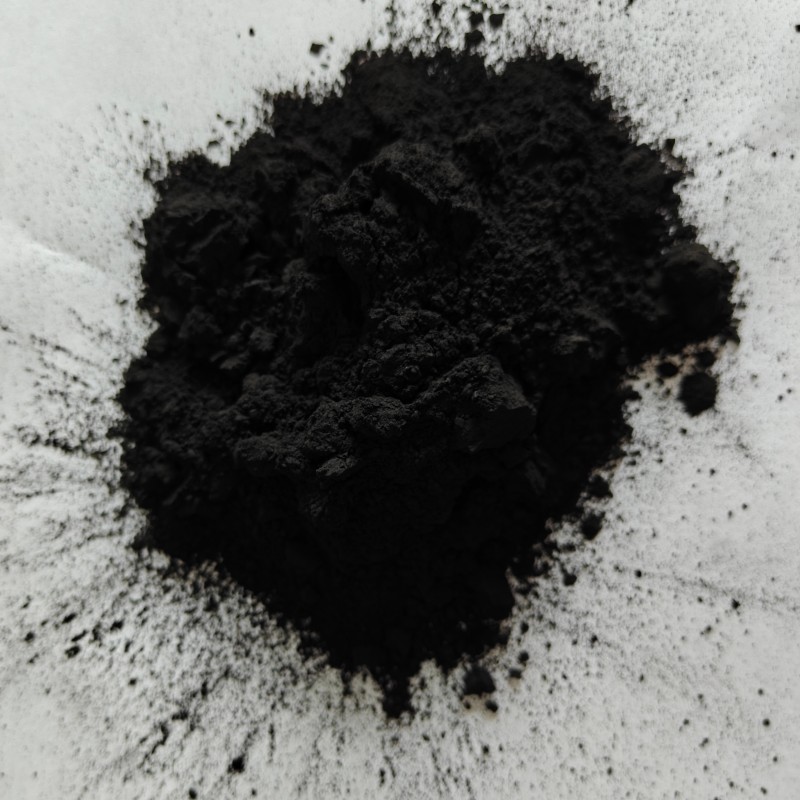
The Truth: The blackness of activated carbon is primarily related to its moisture content and the presence of surface dust (soot). High-quality Food Grade Coconut Shell Activated Carbon should be a deep, matte black; when lightly rubbed between the fingers, it should not leave behind black residue (excessive surface dust can contaminate food products).
Misconception 2: Higher decolorization capacity is always better.
The Truth: In the context of glucose syrup, an excessively high decolorization capacity can inadvertently adsorb certain oligosaccharides, thereby reducing the product yield. Typically, maintaining a Methylene Blue decolorization capacity within the range of 10–12 mL/0.1 g proves to be the most economically efficient approach.
Misconception 3: Food-grade activated carbon can be regenerated and reused.
The Truth: For food-grade applications, regeneration is generally not recommended, as the regeneration process may result in residual polycyclic aromatic hydrocarbons (PAHs). However, we explicitly state that regenerated carbon may be "downgraded" for use in industrial-grade decolorization applications, but it must never be used in processes involving direct contact with food products.
Hot Tags: Food Grade Coconut Shell Activated Carbon, China, Manufacturer, Supplier, Factory
Related Category
Gold Recovery Coconut Shell Activated Carbon
Water Treatment Coconut Shell Activated Carbon
Air Purification Coconut Shell Activated Carbon
Food or Beverage Coconut Shell Activated Carbon
Industrial Grade Coconut Shell Activated Carbon
Electronics Coconut Shell Activated Carbon
Send Inquiry
Please feel free to give your inquiry in the form below. We will reply you in 24 hours.