

How Apricot Shell Activated Carbon Helps Improve Filtration Performance and Environmental Protection
Article Summary
Apricot Shell Activated Carbon has become an increasingly popular filtration material for industries seeking efficient purification, sustainable solutions, and reliable adsorption performance. Made from carefully processed apricot shells, this activated carbon provides excellent pore structures, strong adsorption capacity, and environmentally friendly characteristics. This article explains how Apricot Shell Activated Carbon works, why it is widely used, how it solves common filtration challenges, and what factors buyers should consider when selecting a high-quality activated carbon supplier. With professional manufacturing experience, Huajing provides customized activated carbon solutions designed to meet different industrial purification requirements.
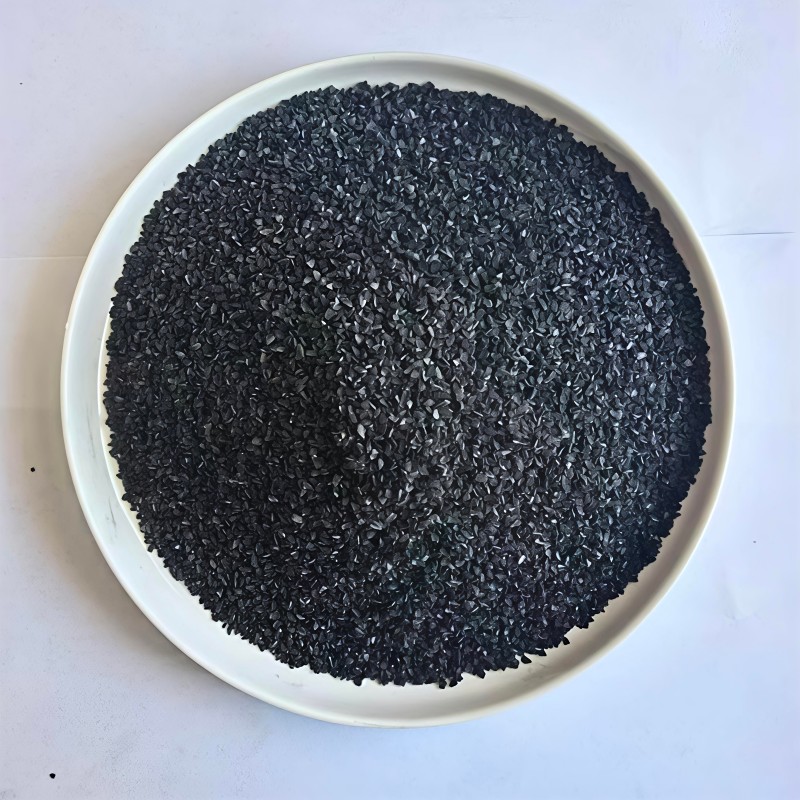
Table of Contents
- 1. Introduction to Apricot Shell Activated Carbon
- 2. How Apricot Shell Activated Carbon Works
- 3. Advantages of Using Apricot Shell Activated Carbon
- 4. Common Applications of Apricot Shell Activated Carbon
- 5. How to Choose the Right Apricot Shell Activated Carbon
- 6. Comparison Between Apricot Shell Activated Carbon and Other Activated Carbon Types
- 7. Quality Factors That Influence Activated Carbon Performance
- 8. Frequently Asked Questions
- 9. Conclusion
1. Introduction to Apricot Shell Activated Carbon
Clean water, pure air, and efficient industrial processing have become essential requirements across many industries. However, removing pollutants, odors, organic compounds, and harmful substances from different environments remains a major challenge. Traditional filtration materials may have limitations in adsorption efficiency, sustainability, or long-term performance.
Apricot Shell Activated Carbon offers an effective solution by utilizing renewable apricot shell resources and transforming them into a highly porous adsorption material. Through advanced carbonization and activation processes, the natural shell structure is converted into activated carbon with millions of microscopic pores capable of capturing unwanted substances.
Compared with many conventional carbon materials, Apricot Shell Activated Carbon features a balanced pore distribution, strong mechanical strength, and excellent adsorption properties. These characteristics make it suitable for applications including water purification, air treatment, food processing, chemical industries, and environmental protection projects.
2. How Apricot Shell Activated Carbon Works
The effectiveness of Apricot Shell Activated Carbon comes from its unique porous structure. During the production process, apricot shells undergo high-temperature carbonization and activation. These processes remove impurities and create a large internal surface area.
When contaminated air or liquid passes through activated carbon, pollutants are trapped inside the carbon pores through physical adsorption and chemical interactions. The larger surface area allows more molecules to attach, improving purification efficiency.
| Process Stage | Main Function | Impact on Performance |
|---|---|---|
| Raw Material Preparation | Select and clean apricot shells | Ensures stable carbon quality |
| Carbonization | Converts organic materials into carbon structure | Creates basic carbon framework |
| Activation | Develops internal micropores | Improves adsorption capacity |
| Screening and Testing | Controls particle size and performance | Provides consistent application results |
The microporous structure is especially effective for removing small molecular contaminants, making Apricot Shell Activated Carbon a preferred choice for precision purification processes.
3. Advantages of Using Apricot Shell Activated Carbon
Many industries choose Apricot Shell Activated Carbon because it combines purification performance with environmental advantages. The following benefits explain why this material continues to gain attention.
- High Adsorption Capacity: The developed pore structure allows efficient removal of impurities, odors, and organic compounds.
- Renewable Raw Material: Apricot shells are agricultural by-products, making this carbon solution more sustainable.
- Excellent Chemical Stability: It maintains reliable performance under different operating conditions.
- Low Ash Content: High-quality production processes help reduce unwanted mineral residues.
- Wide Application Range: It can be customized for different filtration and purification systems.
- Long Service Life: Properly selected activated carbon can reduce replacement frequency and operating costs.
For companies searching for environmentally responsible filtration materials, Huajing develops Apricot Shell Activated Carbon products that balance adsorption efficiency, product consistency, and practical application needs.
4. Common Applications of Apricot Shell Activated Carbon
Due to its excellent adsorption characteristics, Apricot Shell Activated Carbon is widely used in multiple industries. Different applications require different carbon specifications, including particle size, iodine value, and adsorption performance.
| Industry | Application Purpose |
|---|---|
| Water Treatment | Removes organic pollutants, odors, chlorine, and impurities from water |
| Air Purification | Controls unpleasant smells, volatile compounds, and harmful gases |
| Food and Beverage | Purifies ingredients and improves product quality |
| Chemical Industry | Supports solvent recovery and industrial purification |
| Environmental Protection | Helps reduce pollution and improve resource efficiency |
In drinking water systems, activated carbon helps improve taste and removes unwanted substances. In industrial environments, it supports cleaner production by capturing contaminants before they affect processes or surrounding environments.
5. How to Choose the Right Apricot Shell Activated Carbon
Selecting suitable activated carbon is critical because different purification goals require different product characteristics. Buyers should evaluate several important factors before making a decision.
- Adsorption Performance: Check iodine value, methylene blue adsorption, and other performance indicators.
- Particle Size: Choose the correct size according to filtration equipment requirements.
- Moisture Content: Lower moisture levels usually provide better effective adsorption capacity.
- Application Requirements: Water purification, gas treatment, and industrial uses may require different specifications.
- Supplier Experience: Work with manufacturers capable of providing stable quality and technical support.
A reliable supplier should not only provide products but also help customers select the right activated carbon according to operating conditions.
6. Comparison Between Apricot Shell Activated Carbon and Other Activated Carbon Types
| Activated Carbon Type | Raw Material | Main Characteristics |
|---|---|---|
| Apricot Shell Activated Carbon | Apricot shells | Excellent micropore structure and strong adsorption ability |
| Coconut Shell Activated Carbon | Coconut shells | High hardness and suitable for many purification applications |
| Coal-Based Activated Carbon | Coal resources | Good mechanical strength and broad industrial usage |
| Wood-Based Activated Carbon | Wood materials | More developed mesopores for larger molecules |
Apricot Shell Activated Carbon is particularly valued when customers need a renewable carbon source with strong micropore adsorption characteristics.
7. Quality Factors That Influence Activated Carbon Performance
The performance of activated carbon depends heavily on production technology and quality control. Important evaluation factors include:
- Specific surface area and pore distribution.
- Iodine adsorption value.
- Hardness and abrasion resistance.
- Ash and moisture content.
- Consistency between production batches.
Professional manufacturers apply strict testing procedures to ensure every batch meets customer requirements. Huajing focuses on product stability and customized solutions to support various purification applications.
8. Frequently Asked Questions
Q1: What makes Apricot Shell Activated Carbon different from ordinary carbon?
Apricot Shell Activated Carbon uses renewable shell materials and provides a highly developed microporous structure, allowing efficient adsorption of many small molecular contaminants.
Q2: Can Apricot Shell Activated Carbon be used for drinking water treatment?
Yes. Properly processed activated carbon is commonly used in water purification systems to improve water quality by reducing odors, organic compounds, and unwanted substances.
Q3: How long does Apricot Shell Activated Carbon last?
Service life depends on water quality, pollutant concentration, operating conditions, and replacement schedules. Regular monitoring helps determine the optimal replacement time.
Q4: Can Huajing provide customized activated carbon solutions?
Yes. Huajing can provide activated carbon products with different specifications according to customer application requirements.
Q5: How should activated carbon be stored?
Activated carbon should be stored in a dry, clean environment and protected from contamination before use.
9. Conclusion
Apricot Shell Activated Carbon provides an effective, sustainable, and reliable solution for modern purification challenges. Its excellent adsorption performance, renewable raw material advantages, and wide application possibilities make it suitable for industries requiring cleaner water, cleaner air, and improved production processes.
Choosing the right activated carbon supplier is essential for achieving consistent filtration results. With professional manufacturing capabilities and customer-focused solutions, Huajing continues to support global customers with high-quality Apricot Shell Activated Carbon products.
If you are looking for efficient activated carbon solutions tailored to your application needs, please contact us today. Huajing is ready to provide professional support and reliable products for your purification projects.